Mobile technology has transformed how people communicate, work, and access information. The term “mobile” refers to portable electronic devices and the wireless networks that connect them. Today, billions of people rely on mobile devices for everything from sending messages to managing bank accounts.
Understanding what mobile means goes beyond knowing that phones fit in pockets. Mobile technology includes smartphones, tablets, wearables, and the infrastructure that powers them. This article explains mobile technology, explores how mobile devices function, and examines the ways mobile has changed modern life.
Table of Contents
ToggleKey Takeaways
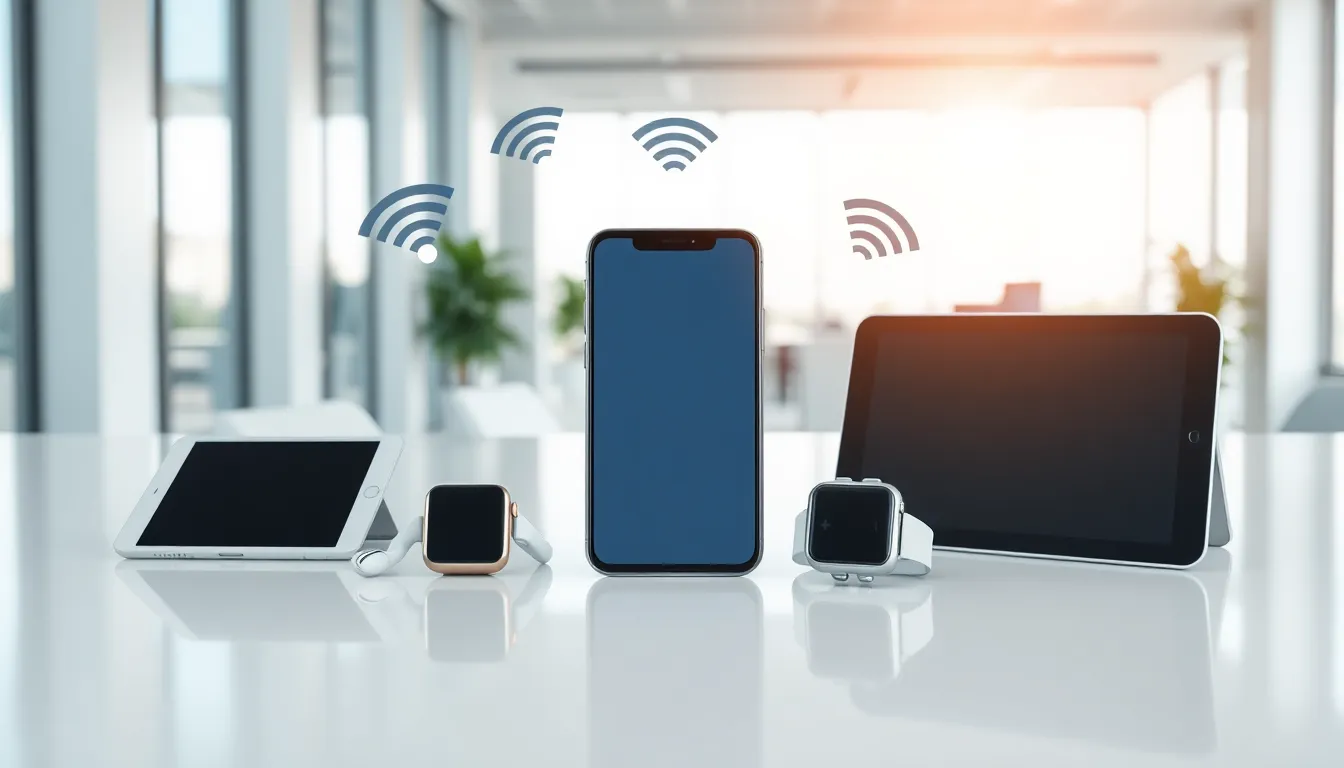
- Mobile refers to portable electronic devices like smartphones, tablets, and wearables that connect through wireless networks.
- Mobile technology relies on key components including wireless networks (4G, 5G, Wi-Fi), compact processors, rechargeable batteries, and touchscreens.
- Smartphones are the most common mobile device, with over 6.8 billion users worldwide combining phone, camera, GPS, and computing functions.
- Mobile devices have transformed daily life by reshaping communication, enabling remote work, and powering mobile commerce and entertainment.
- The evolution of mobile technology accelerated dramatically after the 2007 iPhone launch, leading to today’s app ecosystems and 5G networks.
- Mobile innovation continues with advances in foldable screens, AI assistants, and improved battery technology.
Defining Mobile Technology
Mobile technology refers to any device or system that people can carry and use while moving. The core idea is portability combined with wireless connectivity. A mobile device lets users access data, communicate, and run applications without being tied to a fixed location.
The term “mobile” comes from the Latin word “mobilis,” meaning movable. In tech contexts, mobile describes hardware and software designed for on-the-go use. This includes smartphones, tablets, smartwatches, and portable gaming systems.
Mobile technology depends on several key components:
- Wireless networks (4G, 5G, Wi-Fi) that transmit data through radio waves
- Compact processors powerful enough to run complex applications
- Rechargeable batteries that provide hours of use
- Touchscreens and sensors that enable intuitive interaction
What makes mobile different from traditional computing is flexibility. Desktop computers require users to sit in one place. Mobile devices go wherever their owners go. This shift has changed expectations about access to information and communication.
How Mobile Devices Work
Mobile devices rely on a combination of hardware and software to function. Understanding how mobile technology operates helps explain its capabilities and limitations.
Hardware Components
Every mobile device contains a central processing unit (CPU) that handles calculations and runs programs. Modern mobile processors pack impressive power into chips smaller than a fingernail. RAM (random access memory) stores temporary data while applications run.
The battery powers everything. Lithium-ion batteries dominate mobile devices because they’re lightweight and rechargeable. Screen technology has advanced from basic LCDs to OLED displays that produce vivid colors while consuming less energy.
Sensors add functionality that goes beyond basic computing. Accelerometers detect motion. GPS chips pinpoint location. Cameras capture photos and video. Fingerprint readers and face scanners provide security.
Wireless Connectivity
Mobile devices connect to the internet through cellular networks or Wi-Fi. Cellular networks use a system of towers that transmit radio signals. When someone makes a call or loads a webpage, their mobile device sends a signal to the nearest tower, which routes the data through the network.
5G, the latest cellular standard, offers faster speeds and lower latency than previous generations. Wi-Fi provides another connection option, typically offering faster speeds within a limited range.
Operating Systems
Mobile operating systems manage hardware resources and provide a platform for applications. Android and iOS dominate the smartphone market. These systems handle everything from touchscreen input to app installation and security updates.
Types of Mobile Devices
Mobile technology spans multiple device categories. Each type serves different purposes while sharing core portable characteristics.
Smartphones
Smartphones represent the most common mobile device. These pocket-sized computers combine phone functionality with internet access, cameras, and app ecosystems. Over 6.8 billion people worldwide use smartphones, according to recent industry data.
Modern smartphones handle tasks that once required separate devices: cameras, GPS units, music players, and portable computers.
Tablets
Tablets offer larger screens than smartphones while remaining portable. They excel at media consumption, reading, and light productivity work. Some tablets support stylus input, making them popular with artists and note-takers.
Wearables
Wearable mobile devices include smartwatches, fitness trackers, and wireless earbuds. Smartwatches display notifications, track health metrics, and run simple apps. Fitness bands monitor steps, heart rate, and sleep patterns.
Laptops and Portable Computers
While laptops aren’t always classified as mobile devices, they share many characteristics. Modern ultrabooks weigh under three pounds and include cellular connectivity options. The line between tablets and laptops continues to blur with hybrid devices.
Other Mobile Devices
E-readers, portable gaming consoles, and mobile hotspots round out the mobile device landscape. Each fills a specific niche while offering portability and wireless features.
The Evolution of Mobile Technology
Mobile technology has progressed rapidly over the past few decades. Each generation brought new capabilities and changed user expectations.
The first mobile phones appeared in the 1980s. These early devices were bulky, expensive, and limited to voice calls. The Motorola DynaTAC, released in 1983, weighed nearly two pounds and cost $3,995.
The 1990s introduced digital cellular networks and smaller phones. Text messaging became popular. Basic mobile games like Snake entertained millions.
Everything changed in 2007 when Apple released the iPhone. This device combined a phone, music player, and internet browser with a touchscreen interface. Google’s Android operating system followed in 2008, creating the smartphone duopoly that exists today.
Subsequent years brought incremental improvements:
- 2010s: Faster 4G networks enabled video streaming and mobile commerce
- App stores created new software ecosystems with millions of applications
- Mobile payments replaced cash and cards for many transactions
- 2020s: 5G networks promise even faster speeds and new possibilities
Mobile technology continues to advance. Foldable screens, improved AI assistants, and better battery technology represent current frontiers. The pace of mobile innovation shows no signs of slowing.
How Mobile Technology Shapes Daily Life
Mobile devices have reshaped how people live, work, and interact. The impact touches nearly every aspect of modern existence.
Communication
Mobile technology revolutionized communication. People send billions of text messages daily. Video calls connect friends and family across continents. Social media apps keep users informed about their networks.
Work and Productivity
Mobile devices enable remote work. Employees check email, attend video meetings, and access documents from anywhere. Entire businesses run from smartphones. The gig economy, ride-sharing, food delivery, freelance work, depends on mobile platforms.
Entertainment
Streaming services deliver movies, music, and podcasts to mobile devices. Mobile gaming generates more revenue than console and PC gaming combined. People consume more media on phones than on any other device.
Commerce
Mobile commerce has grown explosively. Consumers shop, bank, and pay bills from their phones. Mobile payment systems let people leave wallets at home. In some countries, mobile money services provide banking access to previously underserved populations.
Health and Fitness
Health apps track exercise, diet, and sleep. Wearable devices monitor heart rate and activity levels. Telemedicine apps connect patients with doctors via mobile devices.
The influence of mobile technology extends to education, navigation, photography, and countless other areas. For better or worse, mobile devices have become extensions of daily life for billions of people.