
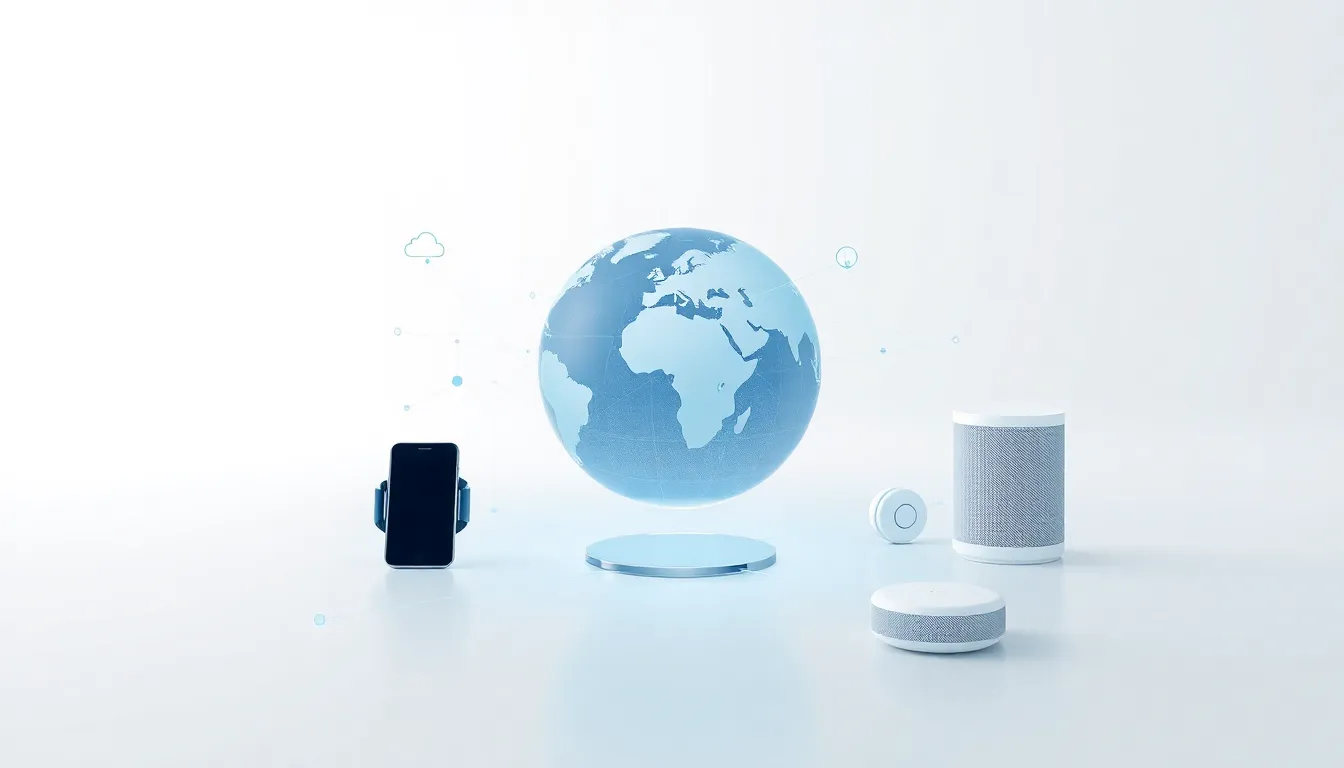
The Internet of Things (IoT) connects billions of devices worldwide, from smart thermostats to industrial sensors. But what is Internet of Things, exactly? At its core, IoT refers to a network of physical objects embedded with sensors, software, and connectivity that allows them to exchange data over the internet. This technology has transformed how people live, work, and interact with everyday objects.
Whether it’s a fitness tracker monitoring heart rate or a smart refrigerator ordering groceries, IoT devices have become part of daily life. By 2025, experts estimate over 75 billion connected devices will be in use globally. This guide explains how IoT works, provides real-world examples, and explores both its benefits and challenges.
Table of Contents
ToggleKey Takeaways
- The Internet of Things (IoT) connects physical devices with sensors and software to exchange data over the internet, enabling automation and smarter decision-making.
- IoT works through a four-step cycle: data collection, transmission, processing, and action—creating continuous feedback loops for real-time responses.
- Common IoT applications include smart home devices, wearable health trackers, connected vehicles, and industrial sensors for predictive maintenance.
- IoT delivers significant benefits like 30% energy savings in smart buildings, cost reductions through predictive maintenance, and improved quality of life through health monitoring.
- Security vulnerabilities, privacy concerns, and interoperability issues remain the biggest challenges facing IoT adoption today.
- The global IoT market is projected to exceed $1 trillion by 2028, driven by 5G networks, edge computing, AI integration, and smart city initiatives.
How the Internet of Things Works
The Internet of Things operates through a simple four-step process: data collection, transmission, processing, and action.
First, IoT devices use sensors to gather information from their environment. A smart thermostat, for example, measures room temperature. A soil moisture sensor in agriculture detects water levels in the ground.
Second, these devices transmit collected data to a central system. They typically use Wi-Fi, Bluetooth, cellular networks, or specialized protocols like Zigbee and LoRaWAN. The choice depends on factors like range, power consumption, and data volume.
Third, cloud platforms or local servers process the incoming data. Software analyzes patterns, identifies anomalies, and generates insights. Machine learning algorithms often enhance this analysis, making predictions based on historical data.
Finally, the system takes action. It might send an alert to a user’s smartphone, adjust device settings automatically, or trigger another connected device. A smart irrigation system, for instance, turns on sprinklers when soil moisture drops below a set threshold.
The Internet of Things relies heavily on three core components:
- Sensors and devices: These gather environmental data like temperature, motion, light, or pressure.
- Connectivity: Networks enable data transfer between devices and processing centers.
- Data processing: Software interprets raw data and determines appropriate responses.
This cycle repeats continuously, creating a feedback loop that enables automation and real-time decision-making.
Common Examples of IoT in Everyday Life
The Internet of Things appears in numerous settings, from homes to hospitals to highways.
Smart Home Devices
Smart speakers like Amazon Echo and Google Nest respond to voice commands. They control lights, play music, and answer questions. Smart doorbells show visitors on a smartphone screen, even when homeowners are away. Connected thermostats learn household schedules and adjust temperatures to save energy.
Wearable Technology
Fitness trackers and smartwatches monitor steps, sleep patterns, and heart rate. Some devices detect irregular heartbeats and alert users to potential health issues. Apple Watch, Fitbit, and Garmin products represent popular choices in this category.
Connected Vehicles
Modern cars feature IoT technology for navigation, safety, and entertainment. GPS systems provide real-time traffic updates. Sensors detect nearby obstacles and assist with parking. Fleet management systems track commercial vehicles, optimizing routes and monitoring driver behavior.
Healthcare Applications
Remote patient monitoring devices track vital signs and send data to healthcare providers. Diabetic patients use connected glucose monitors. Hospitals employ IoT for asset tracking, ensuring equipment is available when needed.
Industrial IoT
Factories use IoT sensors to monitor equipment performance. Predictive maintenance systems identify potential failures before they occur, reducing downtime and repair costs. Smart meters help utility companies manage energy distribution more efficiently.
These examples demonstrate how the Internet of Things has moved beyond novelty to become an integral part of modern infrastructure.
Benefits and Challenges of IoT Technology
The Internet of Things offers significant advantages, but it also presents notable concerns.
Key Benefits
Increased efficiency: IoT automates routine tasks and optimizes resource use. Smart buildings reduce energy consumption by 30% or more through automated lighting and climate control.
Better decision-making: Real-time data helps businesses and individuals make informed choices. Farmers use IoT sensors to determine precise irrigation and fertilization needs.
Cost savings: Predictive maintenance in manufacturing prevents expensive equipment failures. Connected fleet systems reduce fuel costs through route optimization.
Improved quality of life: Health monitoring devices help people manage chronic conditions. Smart home technology provides convenience and accessibility for elderly or disabled individuals.
Major Challenges
Security vulnerabilities: Every connected device represents a potential entry point for hackers. In 2016, the Mirai botnet attacked IoT devices and disrupted major websites. Manufacturers don’t always prioritize security in device design.
Privacy concerns: IoT devices collect vast amounts of personal data. Smart TVs, voice assistants, and wearables track user behavior. Questions arise about who owns this data and how companies use it.
Interoperability issues: Devices from different manufacturers often struggle to work together. Competing standards and protocols create fragmented ecosystems.
Infrastructure demands: IoT requires reliable connectivity and substantial bandwidth. Rural areas and developing regions may lack necessary infrastructure.
Organizations adopting IoT technology must balance these benefits against potential risks. Strong security practices, clear privacy policies, and careful vendor selection help mitigate common problems.
The Future of the Internet of Things
The Internet of Things continues to expand rapidly, driven by several emerging trends.
5G networks will transform IoT capabilities. Faster speeds and lower latency enable applications that weren’t previously practical. Autonomous vehicles, remote surgery, and real-time industrial automation become more feasible with 5G infrastructure.
Edge computing moves data processing closer to IoT devices. Instead of sending all information to distant cloud servers, edge systems analyze data locally. This reduces latency, conserves bandwidth, and improves privacy.
Artificial intelligence integration makes IoT systems smarter. AI algorithms identify patterns humans might miss. They enable predictive capabilities that anticipate problems before they occur.
Smart cities represent a major growth area for IoT. Connected traffic lights, waste management systems, and public safety networks promise more efficient urban environments. Cities like Singapore, Barcelona, and Seoul already carry out extensive IoT infrastructure.
Sustainability applications are gaining momentum. IoT sensors monitor air quality, track wildlife, and optimize agricultural practices. These tools help address climate change and resource conservation challenges.
Market analysts project the global IoT market will exceed $1 trillion by 2028. Healthcare, manufacturing, and smart home sectors are expected to see the strongest growth.
As IoT matures, standards for security and interoperability should improve. Regulatory frameworks are developing to address privacy concerns. The technology’s potential remains enormous, though realizing it requires addressing current limitations.