
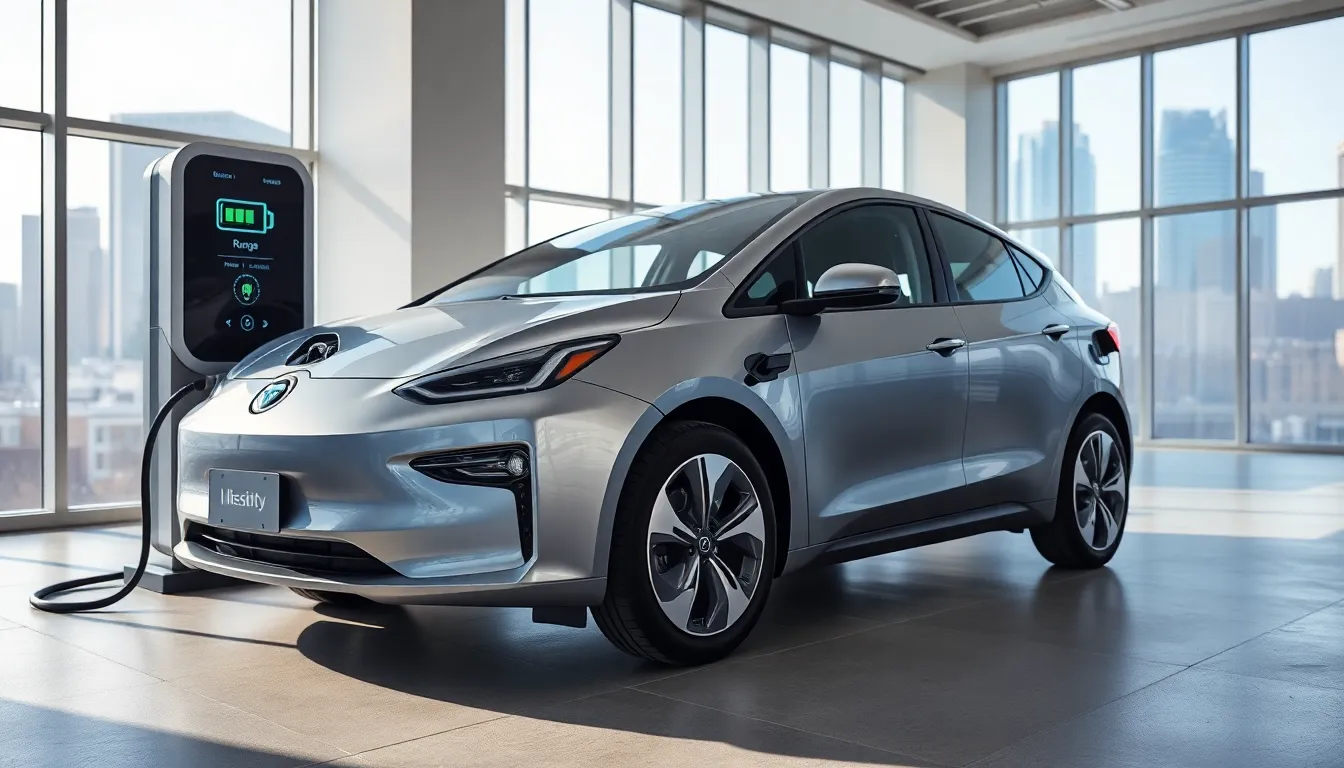
Electric vehicles have transformed how people think about transportation. An electric vehicle, or EV, uses one or more electric motors for propulsion instead of a traditional internal combustion engine. These vehicles draw power from rechargeable battery packs and produce zero direct emissions while driving.
The global shift toward electric vehicles continues to accelerate. Automakers now offer dozens of electric vehicle models across every category, from compact cars to full-size trucks. Understanding what an electric vehicle is and how it works helps consumers make informed decisions about their next car purchase.
Table of Contents
ToggleKey Takeaways
- An electric vehicle (EV) uses electric motors powered by rechargeable battery packs instead of a traditional combustion engine, producing zero direct emissions.
- Battery capacity, measured in kilowatt-hours (kWh), determines how far an electric vehicle can travel—typically 150 to over 300 miles on a single charge.
- Three types exist: Battery Electric Vehicles (BEVs) run purely on electricity, Plug-In Hybrids (PHEVs) combine electric and gas power, and standard Hybrids (HEVs) cannot plug in to charge.
- Electric vehicles cost significantly less to operate—about $0.04–$0.05 per mile compared to $0.10–$0.15 for gas cars—and require less maintenance.
- Charging options range from slow Level 1 home outlets (3–5 miles/hour) to DC Fast Charging stations that reach 80% capacity in 20–40 minutes.
- Potential challenges include higher upfront costs, range limitations in cold weather, and the need to plan longer trips around charging infrastructure.
How Electric Vehicles Work
Electric vehicles operate on a fundamentally different system than gas-powered cars. Instead of burning fuel, an electric vehicle converts stored electrical energy into motion through electric motors.
The Battery Pack
The battery pack serves as the heart of every electric vehicle. Most modern EVs use lithium-ion batteries, the same technology found in smartphones and laptops, just much larger. These battery packs store electricity and release it on demand to power the vehicle’s motor.
Battery capacity determines how far an electric vehicle can travel on a single charge. Manufacturers measure this capacity in kilowatt-hours (kWh). A typical electric vehicle today carries a battery between 40 kWh and 100 kWh, providing ranges from 150 to over 300 miles.
The Electric Motor
Electric motors convert electrical energy into mechanical energy. When the driver presses the accelerator, the battery sends electricity to the motor, which spins and turns the wheels. This process happens almost instantly, which explains why electric vehicles deliver immediate torque and quick acceleration.
Many electric vehicles feature regenerative braking. When the driver releases the accelerator or applies the brakes, the motor reverses its function. It captures kinetic energy and converts it back into electricity, sending it to the battery. This feature extends driving range and reduces brake wear.
Charging an Electric Vehicle
Electric vehicles recharge by plugging into an electrical outlet or dedicated charging station. Three charging levels exist:
- Level 1: Uses a standard 120-volt household outlet. Adds about 3-5 miles of range per hour.
- Level 2: Requires a 240-volt outlet (like a dryer uses). Adds 10-30 miles of range per hour.
- Level 3 (DC Fast Charging): Available at public stations. Can charge most electric vehicles to 80% in 20-40 minutes.
Types of Electric Vehicles
Not all electric vehicles work the same way. The market offers several types, each with distinct characteristics.
Battery Electric Vehicles (BEVs)
Battery electric vehicles run entirely on electricity. They have no gasoline engine, no fuel tank, and produce zero tailpipe emissions. Popular examples include the Tesla Model 3, Chevrolet Bolt, and Ford Mustang Mach-E.
BEVs offer the simplest ownership experience. Drivers never visit gas stations, they charge at home or at public stations. These vehicles also require less maintenance because they have fewer moving parts than traditional cars.
Plug-In Hybrid Electric Vehicles (PHEVs)
Plug-in hybrids combine an electric motor with a gasoline engine. The electric vehicle component handles short trips using battery power alone, typically 20-50 miles. Once the battery depletes, the gas engine takes over.
PHEVs work well for drivers who want electric driving for daily commutes but need gas backup for longer trips. The Toyota RAV4 Prime and Jeep Wrangler 4xe represent popular PHEV options.
Hybrid Electric Vehicles (HEVs)
Standard hybrids use both electric motors and gas engines, but they cannot plug in to charge. The battery recharges only through regenerative braking and the gas engine. The Toyota Prius pioneered this category.
While hybrids improve fuel efficiency, they aren’t true electric vehicles since they still depend primarily on gasoline.
Benefits of Driving Electric
Electric vehicles offer several advantages over traditional gas-powered cars.
Lower Operating Costs
Electricity costs less than gasoline per mile driven. The average American pays about $0.04-$0.05 per mile to fuel an electric vehicle, compared to $0.10-$0.15 per mile for gas cars. Over time, these savings add up significantly.
Electric vehicles also cost less to maintain. They don’t need oil changes, transmission fluid, or spark plugs. Brake pads last longer thanks to regenerative braking. Fewer moving parts mean fewer things that can break.
Environmental Impact
Electric vehicles produce zero direct emissions. Even when accounting for electricity generation, EVs typically create less pollution than gas cars. As the electrical grid gets cleaner with more renewable energy, electric vehicles become even greener.
Performance and Driving Experience
Electric motors deliver instant torque. This means quick acceleration from a standstill, something drivers often notice immediately. Electric vehicles also run quietly, creating a smooth and peaceful driving experience.
The heavy battery pack sits low in the vehicle’s floor. This placement lowers the center of gravity and improves handling.
Challenges and Considerations
Electric vehicles aren’t perfect for everyone. Potential buyers should consider several factors.
Range and Charging Infrastructure
Range anxiety remains a concern for some drivers. While most electric vehicles now offer 200+ miles per charge, long road trips require planning around charging stations. The charging network continues to expand, but gaps still exist in rural areas.
Charging takes longer than filling a gas tank. Even fast chargers need 20-40 minutes for a substantial charge. Home charging solves this for daily use, drivers plug in overnight and wake up to a full battery.
Upfront Cost
Electric vehicles typically cost more than comparable gas cars. But, federal tax credits up to $7,500 and various state incentives can reduce this gap. Lower operating costs also offset the higher purchase price over time.
Battery Degradation
All batteries lose capacity over time. Electric vehicle batteries typically retain 80-90% of their original capacity after 8-10 years of use. Most manufacturers offer 8-year battery warranties.
Weather Effects
Cold weather reduces electric vehicle range by 20-40%. The battery works harder in low temperatures, and cabin heating draws significant power. Drivers in cold climates should factor this into their range expectations.