
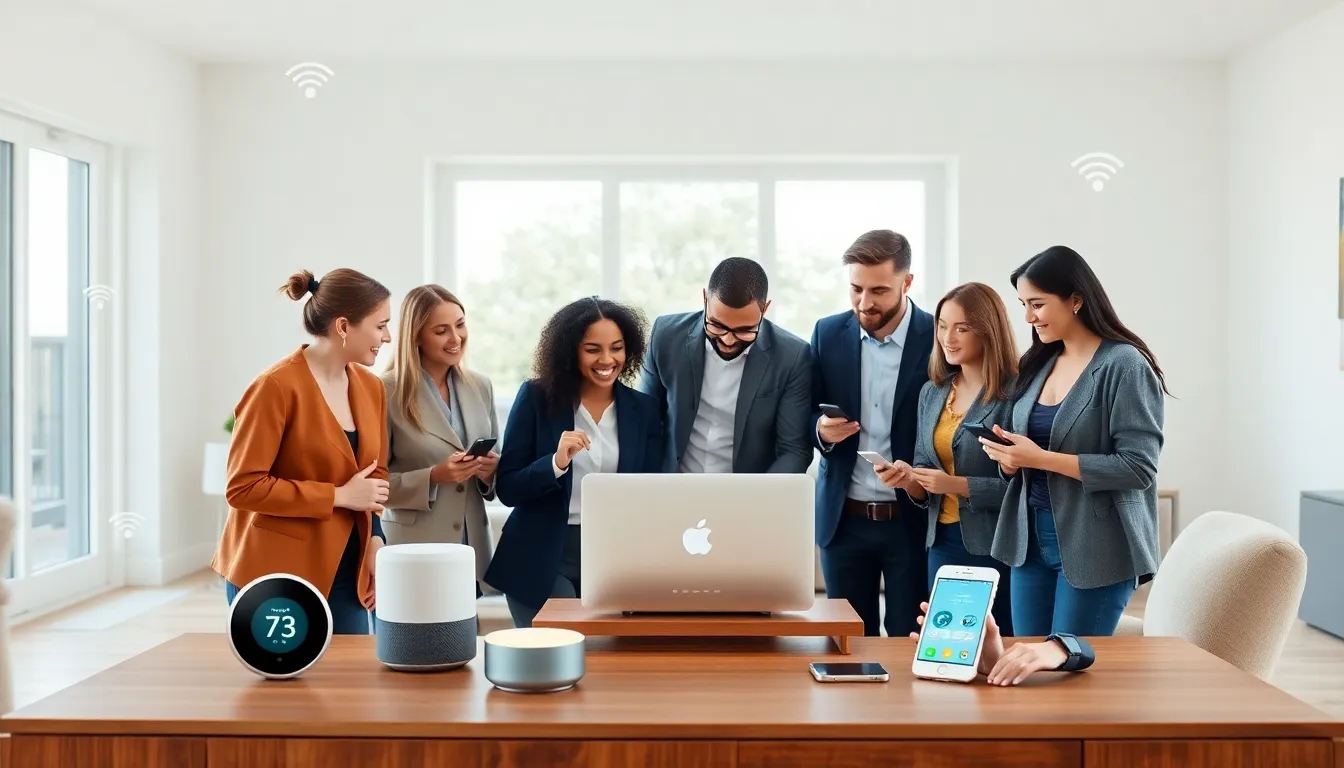
The internet of things for beginners can seem like a buzzword-heavy topic, but it doesn’t have to be. At its core, IoT describes everyday objects that connect to the internet and share data. Think smart thermostats, fitness trackers, and voice assistants. These devices have become part of daily life for millions of people worldwide. This guide breaks down IoT concepts into clear, digestible pieces. Readers will learn what IoT means, how it works, and why it matters. By the end, anyone can understand this technology, no engineering degree required.
Table of Contents
ToggleKey Takeaways
- The internet of things (IoT) refers to everyday objects—like thermostats, fitness trackers, and doorbells—that connect to the internet and share data automatically.
- IoT works through four components: sensors collect data, connectivity transmits it, processing analyzes it, and user interfaces let you control everything.
- Over 15 billion IoT devices were connected globally in 2023, making this technology a growing part of daily life.
- Beginners can start exploring the internet of things with affordable devices like smart plugs or voice assistants for under $50.
- Always prioritize security by changing default passwords, enabling two-factor authentication, and keeping device firmware updated.
- Choose a single platform (Alexa, Google Home, or Apple HomeKit) early to ensure your IoT devices work together seamlessly.
What Is the Internet of Things?
The internet of things refers to physical devices that connect to the internet and communicate with each other. These aren’t just computers or smartphones. They include refrigerators, doorbells, cars, and even light bulbs.
IoT devices contain sensors, software, and connectivity features. They collect data from their environment and share it over the internet. A smart thermostat, for example, tracks temperature patterns and adjusts heating automatically.
The term “internet of things” was coined in 1999 by Kevin Ashton, a British technology pioneer. He used it to describe a system where physical objects could connect to the internet through sensors. Since then, IoT has grown into a massive industry.
Today, billions of IoT devices exist worldwide. Statista estimates over 15 billion connected IoT devices operated globally in 2023. That number continues to rise each year.
For beginners, the key takeaway is simple: IoT makes ordinary objects “smart” by giving them internet connectivity. This connection allows devices to send information, receive commands, and work together without human input.
How Does IoT Work?
IoT operates through four main components: sensors, connectivity, data processing, and user interface.
Sensors collect information from the environment. A smart smoke detector senses smoke particles. A fitness band tracks heart rate. These sensors gather raw data continuously.
Connectivity sends that data to the cloud or a local network. IoT devices use Wi-Fi, Bluetooth, cellular networks, or other protocols to transmit information. The connection method depends on the device type and its purpose.
Data processing happens once information reaches its destination. Software analyzes the data and decides what action to take. If a security camera detects motion, the system determines whether to send an alert.
User interface allows people to interact with the system. This could be a smartphone app, a web dashboard, or voice commands. Users can check device status, adjust settings, or receive notifications.
Here’s a practical example: A smart irrigation system uses soil moisture sensors to detect dry conditions. It sends this data through Wi-Fi to a cloud server. The server processes the information and triggers the sprinklers. The homeowner receives a notification on their phone confirming the action.
This entire process happens automatically. The internet of things removes the need for constant human monitoring. Devices make decisions based on programmed rules and real-time data.
Common Examples of IoT in Everyday Life
IoT devices appear in homes, cities, healthcare, and industry. Here are some examples beginners will recognize:
Smart Home Devices
- Voice assistants like Amazon Echo and Google Home
- Smart thermostats such as Nest and Ecobee
- Video doorbells including Ring and Arlo
- Connected light bulbs from Philips Hue and LIFX
Wearable Technology
- Fitness trackers like Fitbit and Garmin
- Smartwatches including Apple Watch and Samsung Galaxy Watch
- Health monitors that track blood pressure or glucose levels
Connected Vehicles
- Cars with GPS navigation and real-time traffic updates
- Fleet management systems for delivery companies
- Electric vehicle charging stations that report availability
Smart City Infrastructure
- Traffic lights that adjust timing based on congestion
- Parking sensors that guide drivers to open spots
- Waste bins that signal when they need emptying
The internet of things touches nearly every aspect of modern life. These examples show how IoT creates convenience, saves time, and improves efficiency. Beginners often interact with IoT daily without realizing it.
Benefits and Challenges of IoT
IoT offers clear advantages, but it also presents concerns worth understanding.
Benefits
Convenience: IoT automates routine tasks. A smart coffee maker starts brewing before someone wakes up. Lights turn off automatically when a room empties.
Energy Savings: Connected devices optimize resource use. Smart thermostats reduce heating costs by learning household patterns. The U.S. Department of Energy reports that smart thermostats can save 10-15% on heating and cooling bills.
Better Decision-Making: IoT provides real-time data. Businesses use connected sensors to monitor equipment health and prevent breakdowns. Farmers track soil conditions to optimize crop yields.
Improved Safety: Smart security systems alert homeowners to unusual activity. Wearable health devices can detect falls or irregular heartbeats and notify emergency contacts.
Challenges
Security Risks: More connected devices mean more potential entry points for hackers. IoT devices sometimes ship with weak default passwords or outdated software.
Privacy Concerns: IoT devices collect personal data. Voice assistants record conversations. Smart TVs track viewing habits. Users must consider what information they share.
Compatibility Issues: Not all IoT devices work together. Different manufacturers use different standards. Building a fully integrated smart home can require careful product selection.
Internet Dependence: Most IoT devices need internet connectivity to function. A network outage can disable smart home features temporarily.
Beginners should weigh these factors when adopting IoT technology. The benefits often outweigh the drawbacks, but awareness helps users make informed choices.
Getting Started With IoT
Anyone can begin exploring IoT with a few simple steps.
Start Small
Beginners don’t need to overhaul their entire home. A single smart plug or voice assistant offers a low-risk introduction to IoT. These devices cost under $50 and provide immediate value.
Choose a Platform
Most IoT ecosystems center around a platform like Amazon Alexa, Google Home, or Apple HomeKit. Picking one platform early helps ensure future devices work together smoothly.
Prioritize Security
Change default passwords immediately after setting up any IoT device. Enable two-factor authentication when available. Keep device firmware updated to patch security vulnerabilities.
Research Before Buying
Read reviews and check compatibility before purchasing IoT products. Some devices require specific hubs or subscriptions. Understanding requirements prevents frustration later.
Learn Basic Troubleshooting
IoT devices occasionally disconnect or malfunction. Knowing how to restart devices, check Wi-Fi connections, and reset to factory settings saves time and headaches.
The internet of things becomes less intimidating once someone sets up their first device. Each new addition builds confidence and expands understanding.