
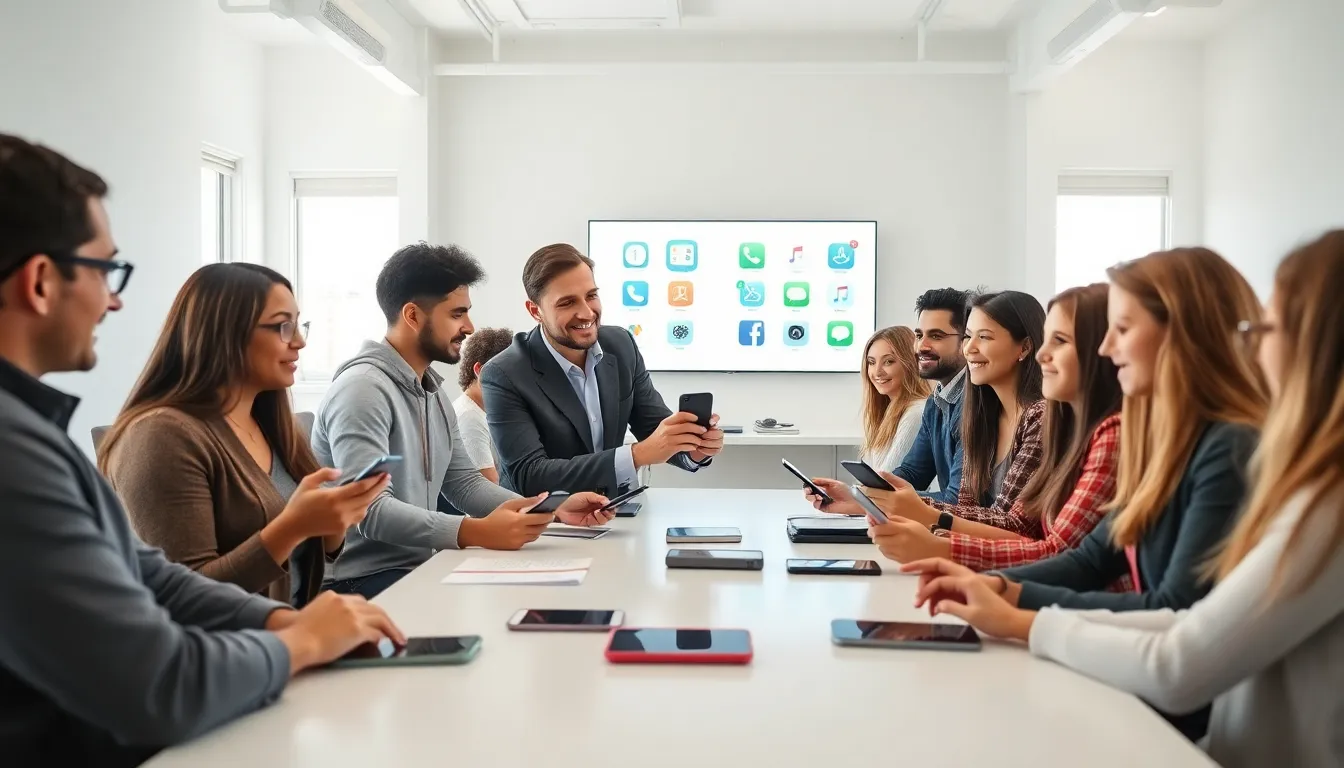
Learning how to mobile doesn’t have to feel overwhelming. Whether someone just bought their first smartphone or wants to understand tablets better, this guide breaks down the basics. Mobile devices have become essential tools for communication, work, and entertainment. They fit in a pocket yet connect users to the entire world.
This beginner’s guide covers everything from understanding different mobile devices to setting them up properly. Readers will discover essential apps, learn key features, and pick up practical safety tips. By the end, anyone can confidently use their mobile device for everyday tasks.
Table of Contents
ToggleKey Takeaways
- Learning how to mobile starts with understanding that smartphones and tablets are portable, battery-powered devices that connect you to the world.
- Setting up your first mobile device takes only 15-30 minutes and includes connecting to Wi-Fi, creating an account, and configuring basic settings.
- Essential apps for beginners include communication tools (WhatsApp, Zoom), email apps, browsers, and maps for navigation.
- Built-in features like voice assistants, camera modes, and Do Not Disturb can significantly enhance your mobile experience.
- Protect your mobile device by using strong lock screens, keeping software updated, and only downloading apps from official stores.
- Avoid public Wi-Fi for sensitive activities and enable two-factor authentication to keep your personal information secure.
Understanding Mobile Devices and Their Uses
Mobile devices come in several forms. Smartphones remain the most popular choice. They combine phone capabilities with internet access, cameras, and thousands of apps. Tablets offer larger screens, which makes them ideal for reading, watching videos, or light work tasks.
So what exactly makes a device “mobile”? It’s portable, battery-powered, and connects to the internet wirelessly. That’s the simple definition.
Smartphones vs. Tablets
Smartphones fit in a pocket and go everywhere. They handle calls, texts, emails, and social media. Most people check their phones dozens of times daily.
Tablets work better for longer viewing sessions. Their bigger screens reduce eye strain during extended use. Many people use tablets at home for streaming services or reading digital books.
Common Uses for Mobile Devices
People use mobile devices for countless activities:
- Communication: Calls, texts, video chats, and emails
- Entertainment: Streaming music, watching videos, playing games
- Productivity: Managing calendars, taking notes, editing documents
- Navigation: Maps and GPS directions
- Shopping: Online purchases and mobile payments
- Photography: Taking and sharing photos
Understanding how to mobile effectively starts with knowing what these devices can do. The possibilities expand every year as technology improves.
Setting Up Your First Mobile Device
Setting up a mobile device takes about 15-30 minutes. The process follows similar steps whether it’s an iPhone, Android phone, or tablet.
Initial Power-On and Language Settings
First, charge the device fully before turning it on. Press and hold the power button until the screen lights up. Select a language and region. These settings affect how dates, times, and text appear.
Connecting to Wi-Fi
Wi-Fi connection comes next. Choose a network from the list and enter the password. Strong Wi-Fi speeds up the setup process and downloads necessary updates.
Creating or Signing Into an Account
iPhones require an Apple ID. Android devices need a Google account. These accounts store purchases, sync data across devices, and enable backup features. Creating an account is free and takes just a few minutes.
Transferring Data from an Old Device
Switching from another phone? Both Apple and Google offer transfer tools. They move contacts, photos, messages, and apps to the new device. Follow the on-screen prompts during setup to complete this step.
Basic Settings to Configure
After the initial setup, adjust these settings:
- Screen brightness: Set to automatic for battery savings
- Notifications: Choose which apps can send alerts
- Sounds: Pick ringtones and adjust volume levels
- Display: Select text size for comfortable reading
Learning how to mobile includes mastering these basic configurations. They personalize the experience from day one.
Essential Apps and Features to Know
Mobile devices come with pre-installed apps, but users often add more. Some apps prove essential for daily use.
Must-Have Apps for Beginners
Communication apps like WhatsApp, Messenger, or Zoom keep people connected. They offer free messaging and video calls over Wi-Fi or mobile data.
Email apps such as Gmail or Outlook manage multiple email accounts in one place. Push notifications alert users to new messages instantly.
Browser apps like Chrome or Safari provide internet access. They save bookmarks and remember passwords for convenience.
Maps apps including Google Maps or Apple Maps give turn-by-turn directions. They also show traffic conditions and nearby businesses.
Built-In Features Worth Exploring
Mobile devices include powerful features many beginners overlook:
- Voice assistants: Siri (iPhone) or Google Assistant answer questions and perform tasks hands-free
- Camera modes: Portrait mode, panorama, and slow-motion capture different types of shots
- Do Not Disturb: Silences notifications during meetings or sleep
- Screen recording: Captures video of on-screen activity
- Accessibility options: Larger text, voice control, and hearing aids compatibility
Managing Storage Space
Apps, photos, and videos consume storage quickly. Check storage usage in Settings regularly. Delete unused apps and transfer photos to cloud services like Google Photos or iCloud.
Knowing how to mobile efficiently means understanding which apps and features serve specific needs.
Tips for Staying Safe and Secure on Mobile
Mobile security matters more than ever. Devices store personal information, financial data, and private communications. A few simple habits keep that information protected.
Use Strong Lock Screen Protection
Set up a PIN, pattern, password, or biometric lock (fingerprint or face recognition). Avoid simple PINs like “1234” or “0000.” Lock screens prevent unauthorized access if the device gets lost or stolen.
Keep Software Updated
Software updates fix security vulnerabilities. Enable automatic updates or check for them weekly. Both the operating system and individual apps need regular updates.
Download Apps from Official Sources Only
The Apple App Store and Google Play Store review apps for safety. Downloading from unofficial sources risks malware infection. Stick to official stores exclusively.
Watch Out for Phishing Attempts
Scammers send fake texts and emails that look legitimate. They try to steal passwords or financial information. Never click suspicious links. Verify requests by contacting companies directly through official channels.
Protect Your Accounts
- Use unique passwords for each account
- Enable two-factor authentication whenever available
- Consider a password manager app to store credentials securely
Public Wi-Fi Precautions
Public Wi-Fi networks at coffee shops or airports aren’t secure. Avoid accessing bank accounts or entering passwords on these networks. Use mobile data instead for sensitive activities.
Understanding how to mobile safely protects personal information and prevents frustrating security breaches.