
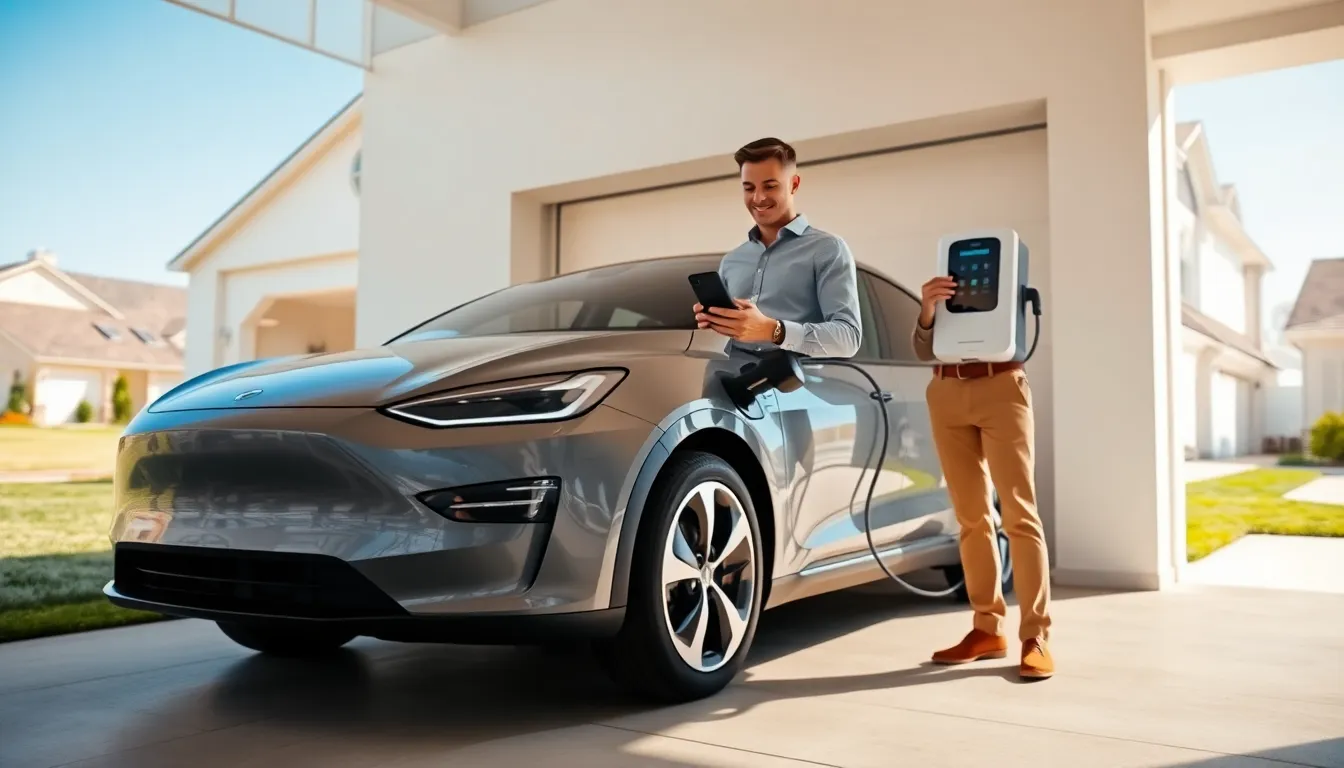
Learning how to electric vehicles work, charge, and maintain them doesn’t require an engineering degree. Electric vehicles (EVs) have become a practical choice for millions of drivers worldwide. In 2024, global EV sales surpassed 17 million units, proving that this technology has moved from novelty to mainstream.
This guide breaks down everything beginners need to know about electric vehicles. Readers will learn how EVs operate, the best charging practices, battery optimization tips, and simple maintenance routines. Whether someone just bought their first EV or is considering the switch, this article provides clear, actionable information to get started.
Table of Contents
ToggleKey Takeaways
- Electric vehicles use battery-powered motors, regenerative braking, and power electronics—no oil changes or exhaust required.
- Charge your EV at home using a Level 2 charger overnight for the most cost-effective and convenient daily driving solution.
- Keep your battery between 20% and 80% for daily use to extend its lifespan and reduce cell stress.
- Smooth driving, proper tire pressure, and preconditioning your cabin while plugged in maximize your EV’s range.
- Electric vehicles require less maintenance than gas cars, but still need regular brake inspections, tire rotations, and software updates.
- Learning how to electric vehicles work and maintaining them is simple—most owners adapt to charging routines within the first few weeks.
Understanding How Electric Vehicles Work
Electric vehicles run on battery-powered electric motors instead of gasoline engines. This fundamental difference changes how drivers interact with their cars.
An EV contains three main components: the battery pack, the electric motor, and the power electronics controller. The battery pack stores electrical energy. The motor converts that energy into motion. The controller manages power flow between these systems.
When a driver presses the accelerator, the controller sends electricity from the battery to the motor. The motor spins and turns the wheels. It’s that simple. No combustion, no exhaust, no oil changes.
Electric vehicles also use regenerative braking. When the driver lifts off the accelerator or applies the brakes, the motor reverses its function. It becomes a generator that captures kinetic energy and sends it back to the battery. This system extends driving range and reduces brake pad wear.
Most EVs offer instant torque, which means quick acceleration from a standstill. The electric motor delivers full power immediately, unlike gasoline engines that need to build up RPMs. This responsiveness makes electric vehicles feel zippy and fun to drive.
Battery capacity determines how far an EV can travel on a single charge. Manufacturers measure this in kilowatt-hours (kWh). A larger battery means more range but also more weight and cost. Most modern EVs offer between 200 and 300 miles of range per charge.
How to Charge an Electric Vehicle
Charging an electric vehicle requires more planning than filling a gas tank, but it quickly becomes routine. Understanding the options helps drivers make smart choices about when and where to charge.
EVs use three charging levels. Level 1 uses a standard 120-volt household outlet. Level 2 requires a 240-volt outlet, similar to what powers a clothes dryer. DC fast charging (Level 3) uses high-powered commercial stations that can add significant range in minutes.
Level 1 charging adds about 3 to 5 miles of range per hour. Level 2 charging adds 15 to 30 miles per hour. DC fast charging can add 100 miles or more in 20 to 30 minutes, depending on the vehicle and charger capacity.
Home Charging vs. Public Charging Stations
Home charging works best for daily driving needs. Most EV owners install a Level 2 charger in their garage. They plug in overnight and wake up to a full battery. This approach costs less per mile than public charging and eliminates trips to charging stations.
A Level 2 home charger typically costs between $300 and $700 for the unit. Installation adds another $200 to $1,000, depending on electrical panel requirements. Many utility companies offer rebates or special EV charging rates during off-peak hours.
Public charging stations serve longer trips and apartment dwellers without home charging access. Apps like PlugShare, ChargePoint, and the vehicle’s built-in navigation help locate nearby stations. Many grocery stores, shopping centers, and workplaces now offer free or low-cost charging.
DC fast charging stations work well for road trips but cost more per kilowatt-hour than home charging. Some automakers include free fast charging credits with new vehicle purchases. Planning stops around charging stations takes some adjustment, but route-planning apps make this process straightforward.
How to Maximize Your EV’s Battery Life and Range
Electric vehicle batteries degrade over time, but good habits slow this process significantly. Following a few simple practices keeps batteries healthy for years.
Avoid charging to 100% for daily driving. Keeping the battery between 20% and 80% reduces stress on the cells. Most EVs let owners set a charging limit through the vehicle’s settings or smartphone app. Save the full charge for road trips when maximum range matters.
Extreme temperatures affect battery performance and longevity. Parking in shade during hot weather and in garages during cold weather helps maintain optimal battery temperature. Many EVs precondition their batteries before fast charging to improve charging speed and protect battery health.
Driving style impacts range more than most people expect. Aggressive acceleration and high speeds drain the battery faster. Smooth, steady driving maximizes efficiency. Using regenerative braking effectively recaptures energy that would otherwise be lost.
Climate control uses significant battery power. Preconditioning the cabin while still plugged in warms or cools the car without draining the driving battery. Heated seats use less energy than the cabin heater, making them a more efficient choice in winter.
Tire pressure matters for electric vehicles just as much as gasoline cars. Underinflated tires increase rolling resistance and reduce range. Check tire pressure monthly and maintain the manufacturer’s recommended levels.
Essential Maintenance Tips for Electric Vehicles
Electric vehicles require less maintenance than gasoline cars. No oil changes, no spark plugs, no transmission fluid. But they still need regular attention.
Brake inspections remain important even though regenerative braking reduces pad wear. Most EV owners find their brake pads last twice as long as those on gasoline vehicles. Have a technician check the braking system annually.
Tire rotation follows the same schedule as any vehicle, typically every 5,000 to 7,500 miles. EVs are heavier than comparable gasoline cars due to battery weight. This extra weight can cause faster tire wear. Some owners choose tires designed specifically for electric vehicles.
Coolant systems in EVs keep the battery at optimal temperature. These systems require periodic checks and occasional fluid replacement. Consult the owner’s manual for specific intervals.
Cabin air filters need replacement every 15,000 to 25,000 miles. This simple maintenance keeps the interior air clean and the HVAC system running efficiently.
Software updates improve performance, add features, and fix bugs. Many EVs download updates automatically over Wi-Fi. Check the manufacturer’s app or the vehicle’s screen to ensure the latest software is installed.
Windshield wiper fluid and wiper blades need the same attention as any car. The 12-volt auxiliary battery, separate from the main drive battery, requires replacement every 3 to 5 years. This small battery powers accessories when the main system is off.