Electric vehicles trends 2026 point to a year of significant transformation. Automakers are pushing harder than ever to deliver longer range, faster charging, and lower prices. Governments worldwide continue tightening emissions standards, and consumers increasingly view EVs as practical daily drivers, not just eco-friendly statements.
This shift isn’t happening in isolation. Battery breakthroughs, charging network expansion, and smarter vehicle software are converging at exactly the right moment. For anyone considering an EV purchase or simply tracking industry momentum, 2026 looks like a pivotal year. Here’s what to expect.
Table of Contents
ToggleKey Takeaways
- Electric vehicles trends 2026 highlight solid-state batteries that could deliver over 500 miles of range on a single charge.
- The U.S. expects over 500,000 public charging stations by 2026, making EV charging as routine as finding a gas station.
- Battery pack prices may drop to $100/kWh by 2026, making EVs cost-competitive with gas-powered cars without subsidies.
- Several automakers are launching EVs priced under $30,000, opening the market to middle-class families and first-time buyers.
- Advanced driver-assistance systems and over-the-air software updates are becoming standard features in new electric vehicles.
- Bidirectional charging technology will allow more EVs to send power back to homes or the grid during peak demand.
Advancements in Battery Technology and Range
Battery technology sits at the heart of electric vehicles trends 2026. Major manufacturers are rolling out solid-state batteries, which promise higher energy density and shorter charging times than today’s lithium-ion packs.
Toyota, for example, plans to introduce solid-state batteries in select models by 2026. These batteries could deliver ranges exceeding 500 miles on a single charge. That’s a significant jump from the 250-300 mile averages common in 2024 models.
Lithium iron phosphate (LFP) batteries are also gaining ground. They cost less to produce and avoid cobalt, a material with supply chain concerns. Tesla and BYD already use LFP in their entry-level vehicles, and this trend will accelerate through 2026.
Silicon-anode technology represents another breakthrough. By replacing graphite with silicon in battery anodes, manufacturers can boost energy storage capacity by 20-40%. Several startups and established players expect to commercialize silicon-anode batteries within the next two years.
For consumers, these electric vehicles trends 2026 mean one thing: less range anxiety. Longer distances between charges and faster refueling will make EVs practical for road trips, rural commuters, and anyone who currently hesitates due to range limitations.
Expansion of Charging Infrastructure
A bigger battery means little without places to charge it. That’s why charging infrastructure expansion ranks among the most important electric vehicles trends 2026.
The United States alone expects to have over 500,000 public charging stations by the end of 2026. This growth stems partly from the $7.5 billion federal investment authorized through the Infrastructure Investment and Jobs Act. Similar programs are underway across Europe, China, and other markets.
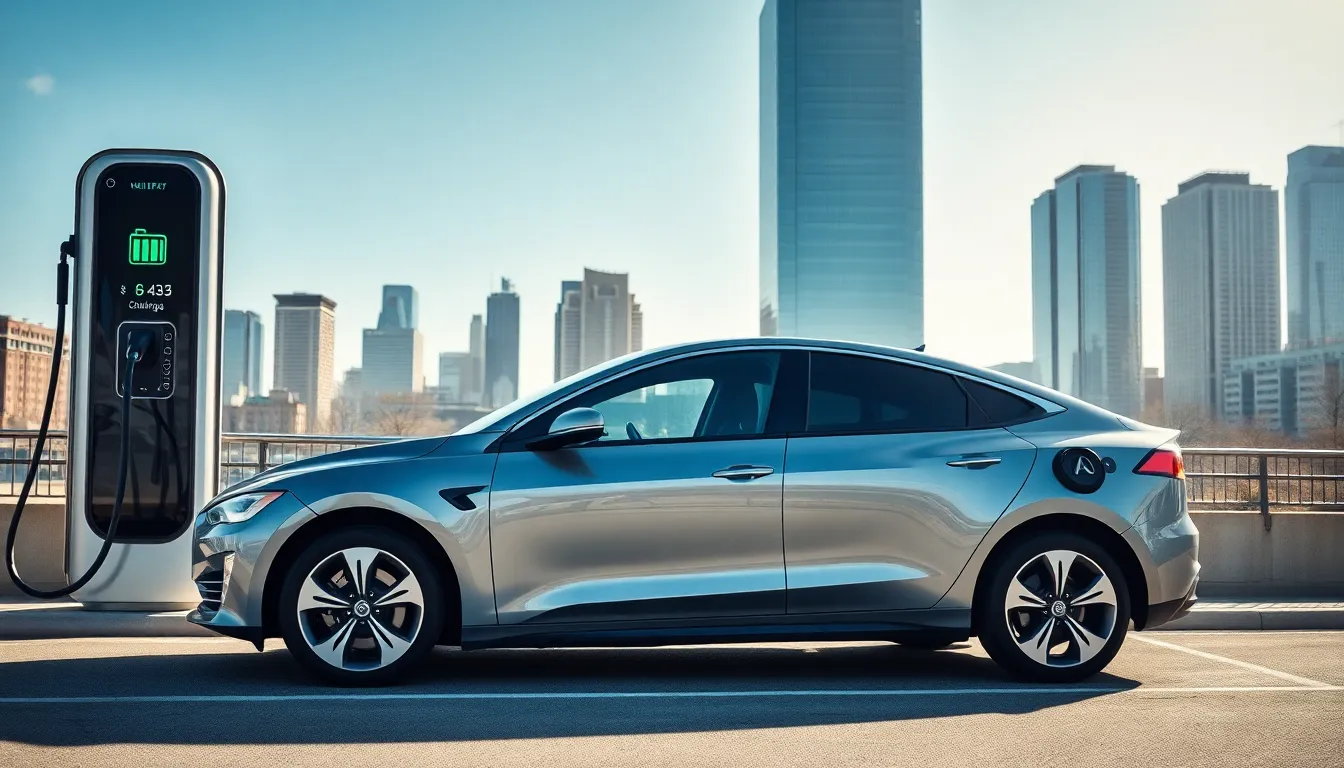
Ultra-fast chargers are becoming standard at highway rest stops. Stations delivering 350 kW can add 200 miles of range in roughly 15 minutes. Companies like Electrify America, ChargePoint, and Tesla’s Supercharger network continue expanding their footprints.
Bidirectional charging is another development worth watching. This technology allows EVs to send power back to homes or the grid during peak demand periods. Ford’s F-150 Lightning already offers this feature, and more manufacturers will follow suit by 2026.
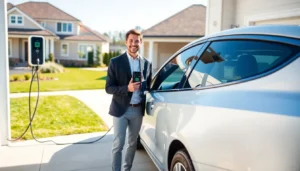
Workplace and residential charging options are improving too. Many employers now install Level 2 chargers in parking lots. Home charger installations have doubled since 2022, driven by tax incentives and lower equipment costs.
These electric vehicles trends 2026 suggest that finding a charger will feel as routine as finding a gas station. That shift removes one of the last major barriers to widespread EV adoption.
More Affordable EV Options Entering the Market
Price has always been the elephant in the showroom. But electric vehicles trends 2026 indicate a real turning point for affordability.
Several automakers are launching EVs priced under $30,000 before incentives. Chevrolet’s Equinox EV starts around $35,000, with a lower-trim version expected soon. Volkswagen, Hyundai, and Chinese manufacturers like BYD are all targeting the sub-$30,000 segment.
Battery costs continue falling. In 2023, average pack prices dropped to roughly $139 per kilowatt-hour. Industry analysts predict prices could hit $100/kWh by 2026, a threshold that makes EVs cost-competitive with gas-powered cars without subsidies.
Used EV markets are maturing as well. Early Model 3s and Chevy Bolts now sell for under $20,000. As more leased vehicles return to dealerships, buyers will find quality used EVs at even lower prices.
Federal and state incentives continue softening the blow. The federal EV tax credit of up to $7,500 remains available for qualifying vehicles, and many states offer additional rebates. Some programs specifically target lower-income buyers.
These electric vehicles trends 2026 open the door for middle-class families and first-time buyers. EVs are no longer a luxury purchase, they’re becoming a sensible financial choice.
Growth of Autonomous and Connected EV Features
Electric vehicles trends 2026 extend beyond powertrains. Software and connectivity features are transforming how drivers interact with their cars.
Advanced driver-assistance systems (ADAS) are becoming standard equipment. Features like adaptive cruise control, lane-keeping assist, and automatic emergency braking now appear in most new EVs. By 2026, expect more vehicles to offer highway self-driving capabilities under supervision.
Tesla’s Full Self-Driving software continues improving, while competitors like GM’s Super Cruise and Ford’s BlueCruise are expanding to more roads and models. Chinese automakers are also racing ahead with autonomous tech.
Over-the-air (OTA) updates represent another major shift. Manufacturers can now fix bugs, improve range estimates, and add features without requiring dealership visits. This software-centric approach mirrors how smartphones evolve, and it’s standard practice for electric vehicles trends 2026.
Vehicle-to-everything (V2X) communication is gaining traction too. This technology lets cars communicate with traffic lights, other vehicles, and infrastructure. The result? Fewer accidents, better traffic flow, and more efficient energy use.
Connected features also enhance the ownership experience. Apps that pre-condition cabins, locate chargers, and monitor battery health are improving steadily. Integration with smart home systems allows drivers to coordinate charging with solar panels or off-peak electricity rates.
These electric vehicles trends 2026 show that buying an EV means buying into an ecosystem, one that keeps improving long after the purchase.