
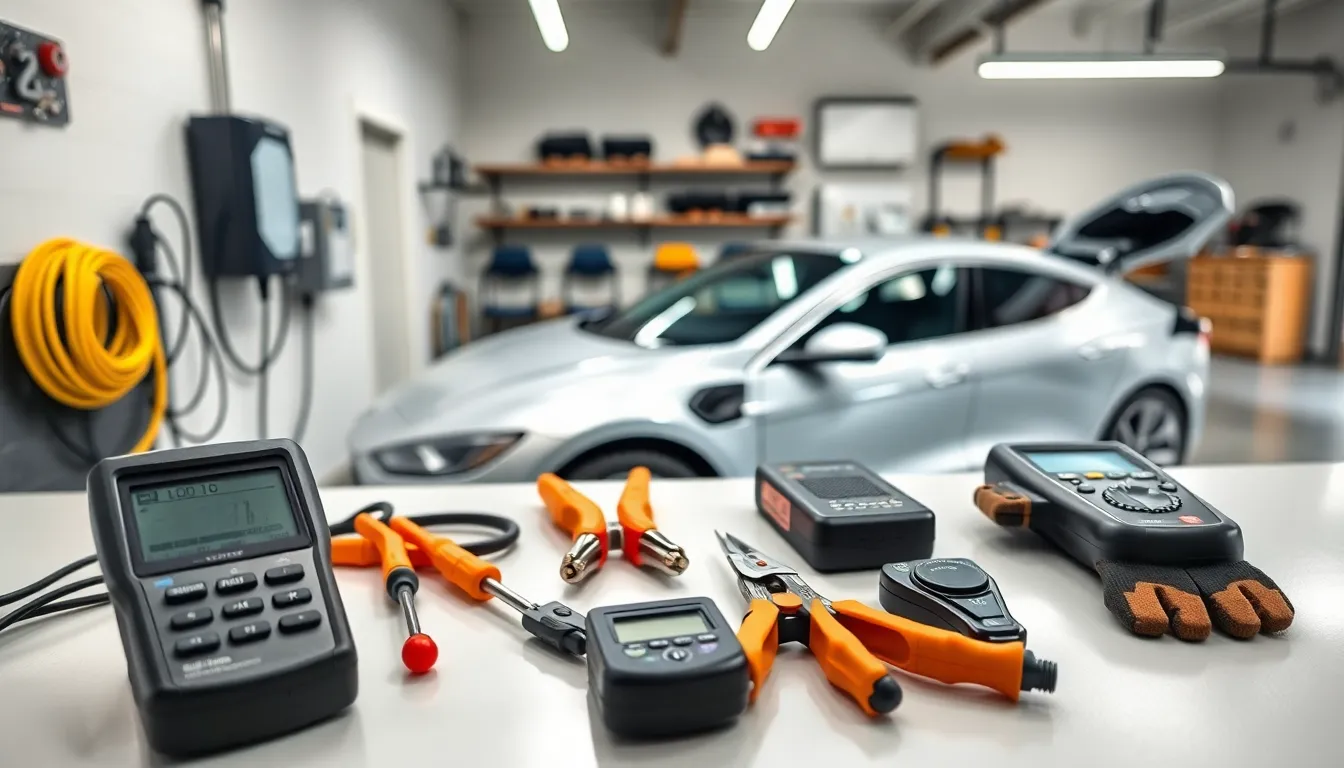
Electric vehicles tools have become critical for any EV owner who wants to maintain their car properly. Gone are the days when a basic wrench set covered most automotive needs. Modern EVs require specialized equipment for diagnostics, charging, safety, and battery maintenance. Whether someone just bought their first Tesla or they’ve been driving electric for years, having the right tools makes a real difference. This guide covers the essential electric vehicles tools that belong in every EV owner’s garage. From OBD-II scanners to insulated gloves, these items help owners save money on shop visits and keep their vehicles running smoothly.
Table of Contents
ToggleKey Takeaways
- Electric vehicles tools like EV-specific OBD-II scanners, insulated hand tools, and battery monitors are essential for proper EV maintenance and diagnostics.
- Level 2 home chargers reduce charging time by 5–7x compared to standard outlets, making them a smart investment for daily EV use.
- Always use insulated tools rated to 1000V and high-voltage gloves when working near EV battery systems to prevent serious electrical hazards.
- Battery monitoring apps and thermal cameras help detect early signs of degradation or component failure, protecting your EV’s most expensive part.
- Keep a portable charging cable and adapter collection in your trunk to access thousands of additional charging stations during road trips.
- A 12V battery maintainer prevents common issues like locked doors and system failures, especially during long-term EV storage.
Diagnostic and Monitoring Tools
Every EV owner needs reliable diagnostic tools to understand what’s happening under the hood, or rather, under the frunk. Modern electric vehicles tools for diagnostics go far beyond traditional code readers.
OBD-II Scanners
An OBD-II scanner remains the foundation of any diagnostic toolkit. But not all scanners work well with EVs. Look for models specifically designed for electric vehicles. Brands like Autel and Launch offer scanners that read EV-specific codes, including battery management system alerts and motor controller faults. Generic scanners often miss these crucial data points.
Battery Monitoring Apps and Devices
Battery health determines an EV’s value and range. Tools like the LeafSpy app (for Nissan Leaf owners) or ABRP connect to the vehicle’s systems and display detailed battery statistics. They show cell voltage balance, degradation levels, and temperature readings. This information helps owners catch problems early.
Multimeters
A quality digital multimeter measures voltage, current, and resistance in EV electrical systems. Fluke and Klein Tools make reliable options. EV owners use multimeters to test 12V auxiliary batteries, check charging cable integrity, and verify ground connections. Spend the extra money on a CAT III or CAT IV rated meter for safety.
Thermal Cameras
Thermal imaging cameras spot hot spots in electrical connections and battery packs. FLIR and Seek Thermal offer handheld models under $300. These electric vehicles tools help identify failing components before they cause breakdowns.
Charging Equipment and Accessories
Charging represents the biggest daily interaction most owners have with their EVs. The right electric vehicles tools for charging make this process faster and more convenient.
Level 2 Home Chargers
A Level 2 EVSE (Electric Vehicle Supply Equipment) charges most EVs five to seven times faster than a standard wall outlet. ChargePoint, JuiceBox, and Grizzl-E offer popular home units. Most deliver between 32 and 48 amps of power. Installation requires a 240V outlet or hardwired connection, budget $200-500 for professional installation.
Portable Charging Cables
Portable Level 1 and Level 2 chargers provide flexibility for road trips and emergencies. The Tesla Mobile Connector and Lectron portable chargers work with various outlet types. Keep one in the trunk. It’s saved many EV owners from being stranded.
Charging Adapters
Different charging networks use different plug standards. Tesla owners need a J1772 adapter to use non-Tesla Level 2 stations. CCS and CHAdeMO adapters expand DC fast charging options. A good adapter collection costs $50-200 but opens up thousands of additional charging locations.
Extension Cords (EV-Rated)
Regular extension cords can’t handle EV charging loads safely. Purpose-built EV extension cords from companies like Splitvolt use heavy-gauge wire and high-quality connectors. Never use a standard household extension cord, the fire risk isn’t worth it.
Safety and Maintenance Tools
Electric vehicles tools for safety deserve serious attention. High-voltage systems can be dangerous without proper equipment and knowledge.
Insulated Hand Tools
Insulated screwdrivers, wrenches, and pliers protect against electrical shock when working near high-voltage components. Look for tools rated to 1000V and certified to IEC 60900 standards. Wiha, Knipex, and Klein all manufacture quality insulated tool sets. These aren’t optional, they’re essential.
High-Voltage Gloves
Class 0 or Class 00 electrical gloves provide hand protection when working around battery systems. Always use leather protectors over the rubber gloves. Test gloves before each use by rolling them and checking for air leaks. Replace them if they show any damage.
Floor Jacks and Jack Stands
Many EV owners don’t realize their vehicles have specific lift points. Using improper jack placement can damage battery packs or underbody panels. Review the owner’s manual for correct positions. Battery packs add significant weight to EVs, so choose jacks rated for the vehicle’s gross weight.
Torque Wrenches
EV wheel lug nuts and other fasteners require precise torque specifications. Digital torque wrenches from Tekton or GearWrench provide accurate readings. Over-tightening damages components: under-tightening creates safety hazards. A good torque wrench costs $50-150 and prevents expensive mistakes.
Specialized Tools for Battery Care
The battery pack represents the most expensive component in any EV. Proper electric vehicles tools help protect this investment.
12V Battery Maintainers
EVs still use 12V auxiliary batteries for accessories and computer systems. These batteries drain faster than those in gas cars because EV systems constantly monitor the vehicle. A smart battery maintainer from NOCO or Battery Tender keeps the 12V topped up during storage. This prevents the dreaded “can’t unlock the doors” scenario.
Coolant Testing Equipment
Most EV battery packs use liquid cooling. A refractometer tests coolant concentration and freeze point. Coolant test strips check pH levels and contamination. Battery thermal management systems depend on proper coolant condition, testing takes minutes and prevents overheating.
Terminal Cleaners and Protectants
Corrosion affects EV electrical connections just like it does in traditional vehicles. Battery terminal brushes remove buildup from 12V connections. Dielectric grease protects terminals and high-voltage connectors from moisture and oxidation.
Battery Lifting Equipment
Full battery pack removal requires professional equipment, but some owners perform their own maintenance. Battery lifting tables and straps designed for EV packs weigh hundreds of pounds less than the batteries themselves. This falls into advanced territory, most owners won’t need these electric vehicles tools.