Electric vehicles techniques matter more than most drivers realize. The way someone charges, drives, and maintains an EV directly affects its range, battery health, and long-term value. Many new EV owners simply plug in and go, missing simple methods that could extend their battery life by years. This guide covers the essential electric vehicles techniques every owner should know. From smart charging habits to driving adjustments that squeeze extra miles from each charge, these practical strategies help drivers get the most from their electric cars.
Table of Contents
ToggleKey Takeaways
- Keep your EV battery between 20-80% charge for daily use to retain up to 90% capacity after 200,000 miles.
- Limit DC fast charging and rely on Level 2 home charging to reduce battery degradation by 10-15% over your vehicle’s lifetime.
- Master regenerative braking and maintain steady speeds to increase your EV range by 20% or more.
- Charge during off-peak hours (typically 11 PM–6 AM) to cut electricity costs by 30-50%.
- Check tire pressure monthly and keep software updated—two simple electric vehicles techniques that boost efficiency and unlock free performance improvements.
Maximizing Battery Life and Range
Battery degradation remains the biggest concern for EV owners. The good news? Electric vehicles techniques for battery preservation are straightforward and effective.
Keep Charge Levels Between 20% and 80%
Lithium-ion batteries last longer when they avoid extremes. Charging to 100% or draining to near-empty stresses the battery cells. Most manufacturers recommend keeping daily charges around 80% and only charging fully before long trips.
Tesla data shows batteries maintained between 20-80% retain up to 90% capacity after 200,000 miles. That’s a significant difference compared to batteries regularly charged to full.
Avoid Extreme Temperatures
Heat damages EV batteries faster than almost anything else. Parking in shade during summer and using a garage during winter helps maintain optimal battery temperature. Many EVs have thermal management systems, but they work best when drivers help by avoiding temperature extremes.
Cold weather temporarily reduces range, sometimes by 20-30%, but doesn’t cause permanent damage. Preconditioning the battery while plugged in warms it efficiently before driving.
Limit Fast Charging
DC fast charging generates heat, which accelerates battery wear. Using Level 2 home charging for daily needs and saving fast chargers for road trips is one of the smartest electric vehicles techniques. Studies suggest frequent fast charging can increase battery degradation by 10-15% over the vehicle’s lifetime.
Efficient Charging Practices
How and when someone charges affects both battery health and electricity costs. Smart electric vehicles techniques for charging save money and extend battery life.
Charge During Off-Peak Hours
Electricity rates drop significantly at night in most areas. Setting the car to charge between 11 PM and 6 AM can cut charging costs by 30-50%. Most EVs have scheduling features built into their apps or infotainment systems.
This approach also benefits the electrical grid by shifting demand away from peak periods.
Use the Right Charger for the Situation
Level 1 charging (standard 120V outlet) works for plug-in hybrids or drivers covering minimal daily miles. Level 2 charging (240V) suits most EV owners, adding 25-30 miles of range per hour. DC fast charging makes sense for road trips but shouldn’t be the primary charging method.
Installing a Level 2 home charger costs between $500-2,000 including installation. The investment pays off quickly through convenience and lower per-mile costs compared to public charging.
Monitor Charging Habits Through Apps
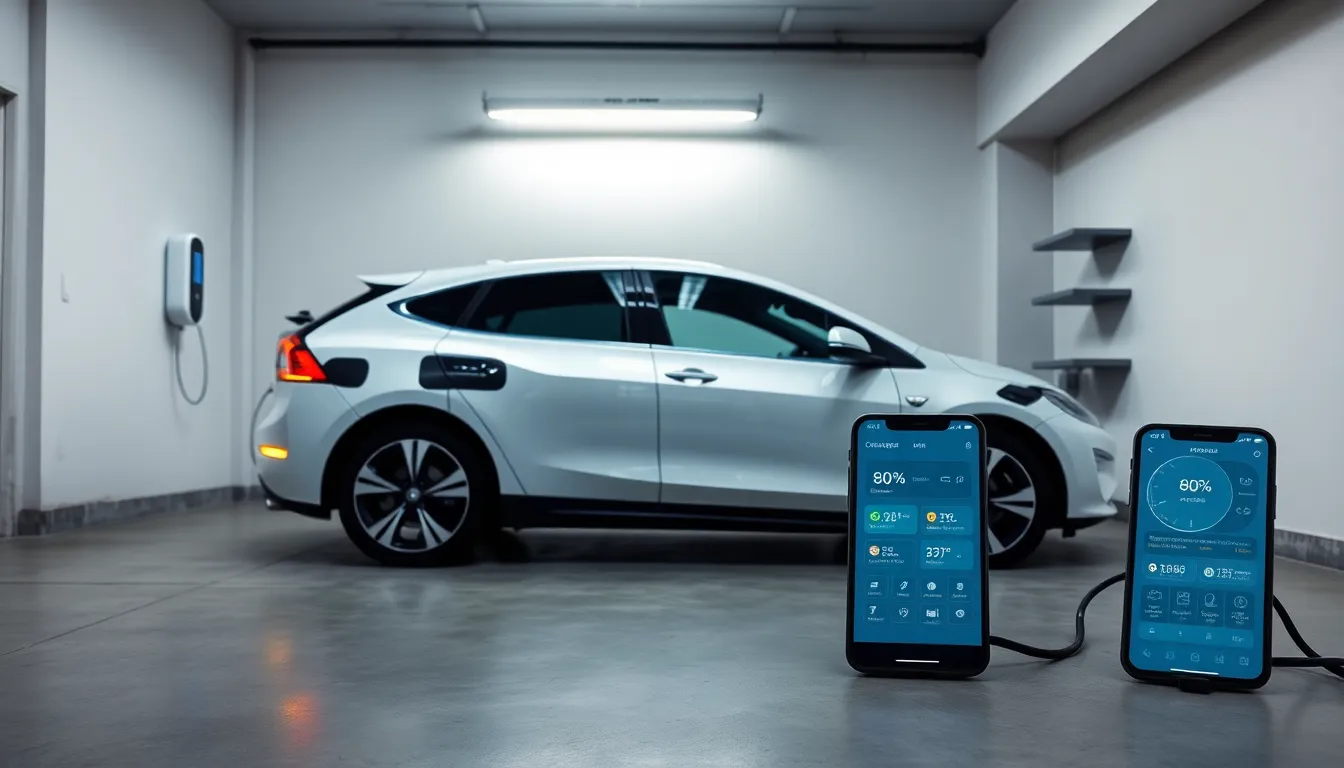
Most EV manufacturers offer apps that track charging patterns, costs, and battery health. These tools help owners identify opportunities to improve their electric vehicles techniques. Setting charge limits, scheduling sessions, and monitoring energy use becomes simple with the right app setup.
Driving Techniques for Optimal Performance
Driving style has a massive impact on EV efficiency. Some electric vehicles techniques behind the wheel can increase range by 20% or more.
Master Regenerative Braking
Regenerative braking converts kinetic energy back into battery power when slowing down. Instead of using traditional brakes, lifting off the accelerator early and letting regen do the work recaptures energy that would otherwise be lost as heat.
Many EVs offer adjustable regen settings. Higher settings provide stronger deceleration and more energy recovery. Some drivers achieve “one-pedal driving” where they rarely touch the brake pedal.
Maintain Steady Speeds
Rapid acceleration drains batteries quickly. Smooth, gradual acceleration uses energy more efficiently. On highways, using cruise control at moderate speeds (55-65 mph) maximizes range.
Aerodynamic drag increases exponentially with speed. Driving at 75 mph instead of 65 mph can reduce range by 15-20%. For maximum efficiency, slower is better.
Plan Routes Strategically
EVs perform best on routes with minimal stops and starts. Highway driving at consistent speeds often proves more efficient than stop-and-go city traffic, even though the higher speeds. Many navigation systems now factor in elevation changes and charging station locations to optimize routes for electric vehicles.
Maintenance Tips for Electric Vehicles
EVs require less maintenance than gas-powered cars. No oil changes, fewer brake replacements, and simpler drivetrains mean lower ownership costs. But certain electric vehicles techniques keep EVs running smoothly.
Check Tire Pressure Regularly
Underinflated tires reduce range and accelerate wear. EVs weigh more than comparable gas vehicles due to battery packs, making proper tire pressure even more important. Checking pressure monthly and inflating to manufacturer specifications improves efficiency by 3-5%.
EV-specific tires exist and offer lower rolling resistance. They cost more upfront but improve range and often last longer under the extra weight.
Service the Cooling System
Battery thermal management systems need periodic attention. Coolant levels should be checked according to the manufacturer’s schedule, typically every 50,000-100,000 miles. Keeping the battery at optimal temperature directly affects longevity and performance.
Inspect Brakes (Less Often)
Regenerative braking reduces wear on traditional brake components. Many EV owners go 100,000+ miles before needing brake pad replacements. But, brake fluid still requires periodic changes, and calipers can seize from infrequent use. Light brake application occasionally keeps components functioning properly.
Update Software Regularly
EVs receive over-the-air updates that improve efficiency, add features, and fix bugs. Keeping software current is one of the easiest electric vehicles techniques, it often happens automatically when connected to WiFi. These updates sometimes unlock additional range or improve charging speeds at no cost.