
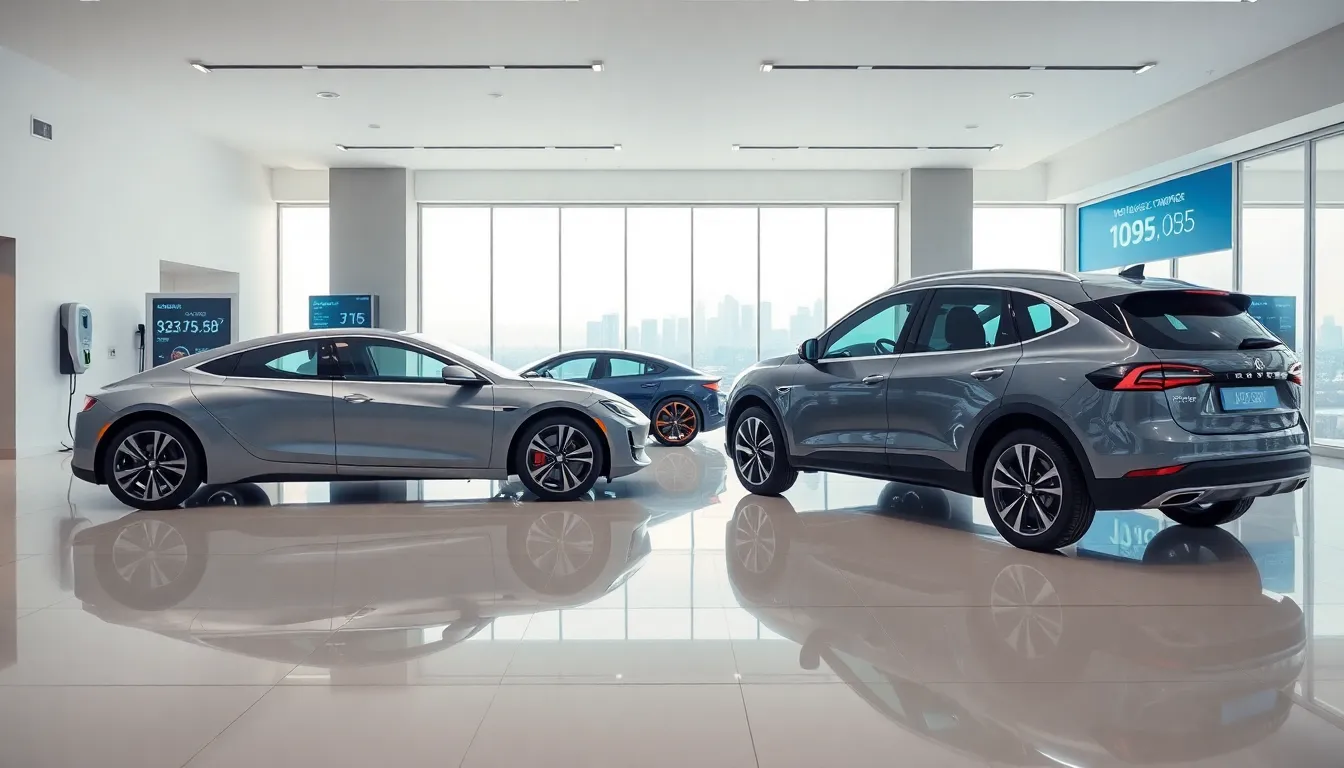
The best electric vehicles in 2025 offer more range, faster charging, and better technology than ever before. Buyers now have dozens of options across every price point and vehicle type. Whether someone wants a sleek sedan, a spacious SUV, or a budget-friendly commuter car, the EV market delivers. This guide breaks down the top picks, explains what separates great EVs from average ones, and helps readers find the right match for their lifestyle and budget.
Table of Contents
ToggleKey Takeaways
- The best electric vehicles in 2025 offer 300+ miles of range and fast-charging capability that adds 100+ miles in just 15-20 minutes.
- Top electric sedans like the Tesla Model 3, BMW i4, and Hyundai Ioniq 6 balance range, performance, and value for different buyer priorities.
- Electric SUVs such as the Tesla Model Y, Rivian R1S, and Kia EV9 provide family-friendly space with adventure-ready capability.
- Budget-conscious buyers can find excellent EVs under $40,000 after federal tax credits, including the Chevrolet Equinox EV and Hyundai Kona Electric.
- Choose the best electric vehicle for your needs by evaluating daily mileage, road trip habits, charging access, and total cost of ownership.
- Federal tax credits up to $7,500 plus lower fuel and maintenance costs make EV ownership more affordable than sticker prices suggest.
What Makes an Electric Vehicle Stand Out
Several factors determine whether an electric vehicle earns a spot among the best. Range tops the list. The best electric vehicles now travel 300 miles or more on a single charge. This eliminates range anxiety for most drivers.
Charging speed matters too. Fast-charging capability lets drivers add 100+ miles in 15-20 minutes at DC fast chargers. Tesla’s Supercharger network remains the gold standard, but other automakers have expanded their charging infrastructure significantly.
Build quality and interior design separate premium EVs from the pack. Buyers expect quiet cabins, premium materials, and intuitive infotainment systems. Advanced driver-assistance features like adaptive cruise control and lane-keeping assist have become standard on most electric vehicles.
Performance is another differentiator. Electric motors deliver instant torque, which means quick acceleration. Some of the best electric vehicles hit 60 mph in under four seconds.
Finally, software updates and long-term support add value. Top manufacturers push over-the-air updates that improve performance and add features throughout the vehicle’s life.
Top Electric Sedans Worth Considering
Electric sedans combine efficiency with style. The Tesla Model 3 remains a benchmark in this category. It offers up to 333 miles of range, responsive handling, and access to Tesla’s extensive Supercharger network. The 2025 refresh brings an updated interior and improved ride quality.
The BMW i4 appeals to drivers who want a sportier experience. Its rear-wheel-drive eDrive35 version delivers 301 miles of range. The M50 variant sacrifices some range for serious performance, 0-60 in 3.7 seconds.
Mercedes-Benz EQE stands out for luxury. It offers a smooth ride, a high-tech interior, and up to 305 miles of range. The Hyperscreen dashboard option spans nearly the entire width of the cabin.
The Hyundai Ioniq 6 deserves attention for its value proposition. It delivers up to 361 miles of range, the longest among electric sedans at its price point. Ultra-fast 800-volt charging architecture means it can charge from 10% to 80% in about 18 minutes.
For those who prioritize practicality, the Chevrolet Bolt EUV offers a lower entry price with solid range and a spacious interior.
Best Electric SUVs for Families and Adventure
Electric SUVs have become the fastest-growing segment in the EV market. Families want space, and adventure seekers want capability. The best electric vehicles in this category deliver both.
The Tesla Model Y dominates sales for good reason. It offers up to 320 miles of range, ample cargo space, and seating for up to seven with the optional third row. Its efficiency and charging network access make long road trips practical.
The Rivian R1S targets outdoor enthusiasts directly. It features a 400+ mile range option, genuine off-road capability, and clever storage solutions like the gear tunnel. Quad-motor variants provide serious traction on any terrain.
The Kia EV9 emerged as a family favorite in 2024 and continues strong into 2025. Three rows of seating, up to 304 miles of range, and a striking design make it competitive with luxury options at a lower price.
The Ford Mustang Mach-E GT delivers performance-oriented driving. Its 480 horsepower and sport-tuned suspension appeal to buyers who want excitement from their daily driver.
The Volvo EX90 brings Scandinavian design and safety-focused engineering to the electric SUV space. It includes advanced lidar sensors and offers a calm, refined driving experience.
Affordable Electric Vehicles Under $40,000
Budget-conscious buyers have more choices than ever. Several of the best electric vehicles now cost under $40,000 after federal tax credits.
The Chevrolet Equinox EV starts around $35,000 and offers up to 319 miles of range. GM designed it specifically to bring EVs to mainstream buyers. The interior feels premium for its price class.
The Nissan Ariya provides a balance of style and substance. Prices start in the mid-$30,000 range after incentives. It delivers a comfortable ride and a modern interior with a 12.3-inch touchscreen.
The Hyundai Kona Electric received a complete redesign for 2024. The 2025 model continues with up to 261 miles of range and a starting price under $35,000. Its compact size makes it ideal for urban driving.
The Chevrolet Bolt EV and Bolt EUV remain value champions. Prices start below $30,000, and buyers get 259 miles of range. These vehicles prove that electric driving doesn’t require a luxury budget.
The Tesla Model 3 Standard Range also falls into this category after tax credits. It brings Tesla’s technology and charging network access to buyers watching their spending.
How to Choose the Right EV for Your Needs
Picking the right electric vehicle requires honest assessment of driving habits. Start with daily mileage. Most drivers travel fewer than 40 miles per day. Almost any modern EV handles this easily with home charging overnight.
Consider long-distance travel patterns. Drivers who take frequent road trips should prioritize range and fast-charging capability. Access to charging networks along regular routes matters more than maximum range numbers.
Think about space requirements. Families need room for passengers and cargo. Single commuters might prefer a compact vehicle that’s easier to park and more efficient.
Budget includes more than the sticker price. Federal tax credits of up to $7,500 apply to many electric vehicles. Some states offer additional incentives. Lower fuel and maintenance costs also reduce the total cost of ownership over time.
Test drive multiple options. Electric vehicles feel different from gas-powered cars. Regenerative braking, instant torque, and quiet cabins take adjustment. The best electric vehicles for one person might not suit another.
Research charging options at home and work. Level 2 home charging stations cost $500-$2,000 installed. Apartment dwellers should check for workplace charging or nearby public stations.