
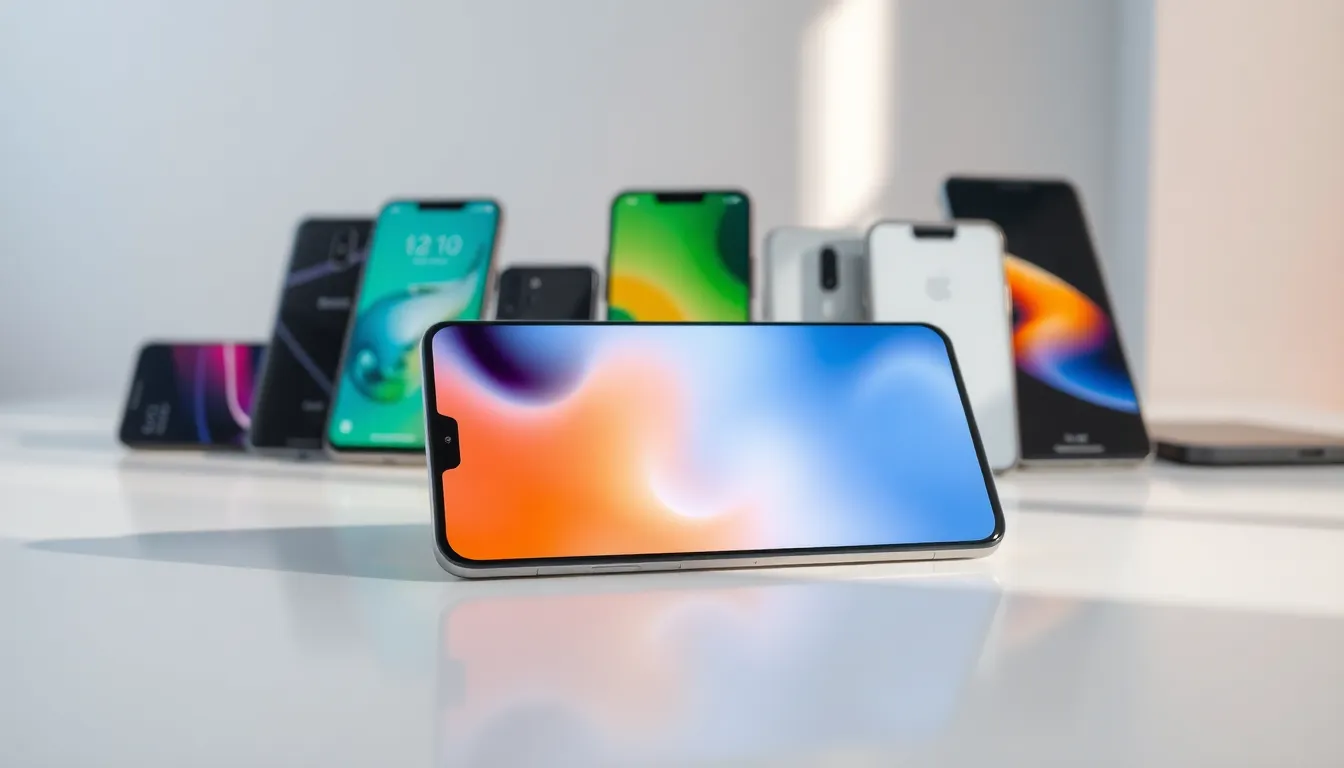
Choosing a top mobile phone in 2025 requires careful attention to specs, value, and real-world performance. The smartphone market has grown more competitive than ever, with manufacturers pushing boundaries on cameras, battery life, and processing power. Whether someone wants a flagship device or a budget-friendly option, this guide breaks down the best choices available right now. Readers will find clear recommendations and practical advice for picking the right phone.
Table of Contents
ToggleKey Takeaways
- A top mobile phone in 2025 should excel in processing power, camera quality, battery life, and software support.
- Flagship options like iPhone 16 Pro Max, Samsung Galaxy S25 Ultra, and Google Pixel 9 Pro offer premium performance with up to seven years of updates.
- Budget-friendly phones under $500, such as the Pixel 8a and Samsung Galaxy A55, now deliver near-flagship experiences at a fraction of the cost.
- Prioritize your primary use case—whether photography, gaming, or productivity—to narrow down the best phone for your needs.
- Software update length significantly impacts long-term value, with Google, Samsung, and Apple leading in update commitments.
- Always read hands-on reviews before buying, as real-world performance often differs from spec sheet promises.
What Makes a Smartphone Stand Out Today
A top mobile device in 2025 needs more than flashy marketing. Several factors separate great phones from average ones.
Processing Power
The latest chipsets from Qualcomm, Apple, and MediaTek deliver faster speeds and better energy efficiency. A strong processor handles gaming, multitasking, and AI features without lag.
Camera Quality
Megapixels matter less than sensor size, image processing, and low-light performance. The best phones capture sharp photos in any lighting condition. Video stabilization and cinematic modes have also become standard expectations.
Battery and Charging
Users want phones that last a full day, or longer. Fast charging (65W and above) and wireless charging options add convenience. Some top mobile phones now offer all-day battery life even with heavy use.
Display Technology
OLED panels with high refresh rates (120Hz or 144Hz) create smoother visuals. Brightness levels above 2000 nits improve outdoor visibility. Screen quality affects everything from reading text to watching videos.
Software Experience
Clean software with timely updates matters. Android and iOS both offer strong ecosystems, but the length of software support varies by brand. Some manufacturers now promise up to seven years of updates.
Best Flagship Phones for Premium Performance
Flagship phones represent the best technology each brand offers. These devices come with premium price tags but deliver unmatched performance.
Apple iPhone 16 Pro Max
Apple’s latest top mobile offering features the A18 Pro chip. This processor handles intensive tasks with ease. The camera system includes a 48MP main sensor with improved zoom capabilities. Battery life exceeds previous generations, and iOS 18 brings new AI features. Buyers get seven years of software support.
Samsung Galaxy S25 Ultra
Samsung’s flagship packs a Snapdragon 8 Gen 4 processor and a stunning 6.8-inch display. The S Pen remains included for productivity. Its 200MP camera captures incredible detail. Samsung promises seven years of updates, matching Apple’s commitment.
Google Pixel 9 Pro
Google focuses on AI integration and camera excellence. The Tensor G4 chip powers advanced photo editing and real-time translation. Pixel phones receive updates first and offer a clean Android experience. Night Sight remains the benchmark for low-light photography.
OnePlus 13 Pro
OnePlus delivers flagship specs at a slightly lower price. The device features a Hasselblad-tuned camera system and 100W fast charging. It fills the battery in under 30 minutes. Performance rivals Samsung and Apple at a more accessible price point.
These top mobile phones suit users who want the absolute best and don’t mind paying for it.
Top Budget-Friendly Mobile Options
Not everyone needs a $1,000 phone. Several manufacturers produce excellent devices under $500, some even under $300.
Google Pixel 8a
The Pixel 8a offers flagship-level camera performance at a mid-range price. Users get the same AI features found in pricier Pixels. Seven years of updates make this a smart long-term investment. It’s arguably the best top mobile choice for value seekers.
Samsung Galaxy A55
Samsung’s A-series delivers solid performance and reliable cameras. The A55 includes a 120Hz AMOLED display and water resistance. Four years of software support provides peace of mind. Build quality feels premium even though the lower cost.
Nothing Phone (2a)
Nothing brings unique design with its transparent back and Glyph lights. Performance handles daily tasks smoothly. The clean software experience avoids bloatware. This phone stands out in a market full of similar-looking devices.
Motorola Edge 2024
Motorola offers near-stock Android and long battery life. The Edge 2024 includes a capable camera system and wireless charging. Prices often drop during sales, making it an even better deal.
Budget phones have improved dramatically. Today’s affordable options handle most tasks that flagships do. The gap between budget and premium has narrowed significantly.
Key Features to Prioritize When Choosing a Phone
Picking a top mobile device depends on individual needs. Here’s what buyers should consider first.
Identify Primary Use Cases
Photography enthusiasts should prioritize camera quality. Gamers need powerful processors and high refresh rate displays. Business users might value security features and long software support. Knowing the main use case narrows down options quickly.
Set a Realistic Budget
Flagships cost $800 to $1,500. Mid-range phones run $300 to $600. Budget options fall under $300. Each tier offers capable devices, the key is matching expectations to price.
Check Software Support Length
A phone receiving updates for seven years remains secure and functional longer. This factor affects long-term value more than most specs. Google, Samsung, and Apple lead in update commitments.
Consider Ecosystem Lock-In
Apple users with MacBooks, iPads, and AirPods benefit from staying with iPhone. Android users have more flexibility but should consider brand ecosystems too. Samsung, Google, and others offer their own connected device experiences.
Read Hands-On Reviews
Spec sheets don’t tell the whole story. Real-world reviews reveal battery performance, camera quality in various conditions, and software bugs. YouTube reviews and tech sites provide valuable insights before purchase.
Don’t Overlook Storage
Base storage of 128GB fills up fast with apps, photos, and videos. Consider 256GB or higher for heavy users. Some Android phones still offer expandable storage via microSD cards.