
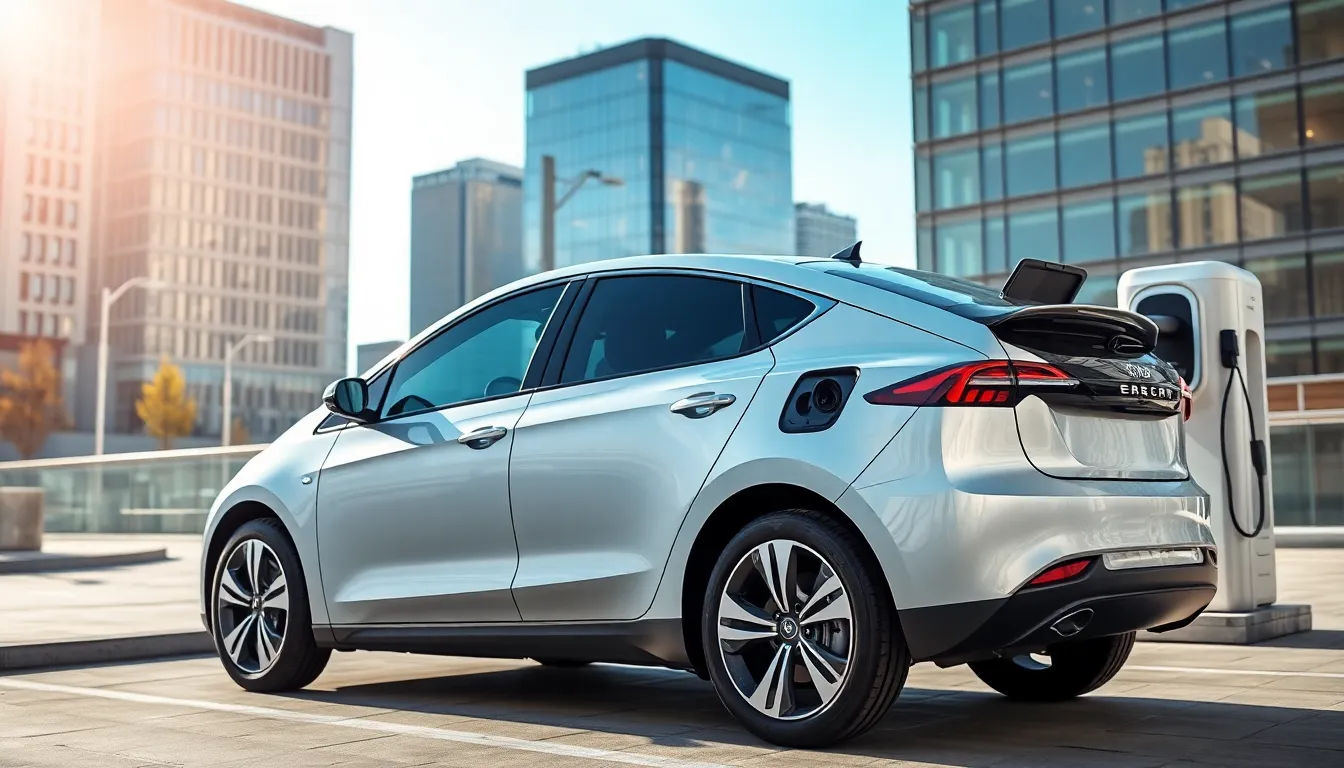
This electric vehicles guide covers the essential information buyers need before making a purchase. Electric vehicles (EVs) have moved from niche technology to mainstream transportation. Sales reached record highs in 2024, and more drivers are considering the switch every day. But questions remain: How do EVs actually work? What types exist? Are they really cheaper to own?
This guide answers those questions directly. It breaks down EV technology, explores different vehicle types, and examines real ownership costs. Whether someone is researching their first electric vehicle or comparing models, this resource provides the facts needed to make an well-informed choice.
Table of Contents
ToggleKey Takeaways
- Electric vehicles cost roughly $0.04 per mile to operate compared to $0.12-0.15 for gas cars, saving thousands over 100,000 miles.
- EVs have fewer moving parts than gas cars, resulting in lower annual maintenance costs averaging $600-900 versus $1,200+ for traditional vehicles.
- Battery electric vehicles (BEVs) offer 200-400+ miles of range per charge and produce zero tailpipe emissions.
- Most EV owners charge at home overnight using Level 2 chargers, which add 25-30 miles of range per hour.
- Federal tax credits up to $7,500 for new EVs and $4,000 for used EVs can significantly reduce purchase costs.
- This electric vehicles guide shows that when combining fuel savings, lower maintenance, and incentives, EVs often cost less over 5-7 years than comparable gas vehicles.
How Electric Vehicles Work
Electric vehicles operate differently than traditional gas-powered cars. Understanding the basic mechanics helps buyers appreciate what they’re investing in.
The Electric Motor
An electric motor replaces the internal combustion engine found in conventional vehicles. This motor converts electrical energy into mechanical energy, which turns the wheels. Electric motors deliver instant torque, meaning EVs accelerate quickly from a stop.
The Battery Pack
The battery pack stores the electricity that powers the motor. Most electric vehicles use lithium-ion batteries, similar to those in smartphones but much larger. Battery capacity is measured in kilowatt-hours (kWh). A higher kWh rating generally means longer driving range.
Modern EV batteries typically last 10-15 years before needing replacement. Many manufacturers offer 8-year or 100,000-mile battery warranties.
Regenerative Braking
Electric vehicles capture energy that would otherwise be lost during braking. When a driver slows down, the motor runs in reverse, acting as a generator. This process sends electricity back to the battery, extending range by 10-20% in typical driving conditions.
The Simplicity Advantage
An electric vehicle has fewer moving parts than a gas car. There’s no transmission, no exhaust system, no oil to change. This simplicity reduces maintenance needs and potential repair costs over time.
Types of Electric Vehicles Available Today
Not all electric vehicles are the same. Buyers can choose from three main categories, each with distinct characteristics.
Battery Electric Vehicles (BEVs)
BEVs run entirely on electricity. They have no gas engine or fuel tank. Popular examples include the Tesla Model 3, Chevrolet Bolt, and Ford Mustang Mach-E. These vehicles typically offer 200-350 miles of range per charge, though some models exceed 400 miles.
BEVs produce zero tailpipe emissions and offer the lowest operating costs among electric vehicles.
Plug-in Hybrid Electric Vehicles (PHEVs)
PHEVs combine a battery with a traditional gas engine. They can drive 20-50 miles on electricity alone before the gas engine kicks in. This design eliminates range anxiety while still offering electric driving for daily commutes.
The Toyota RAV4 Prime and Jeep Wrangler 4xe represent popular PHEV options. These vehicles suit buyers who want electric benefits but aren’t ready to go fully electric.
Hybrid Electric Vehicles (HEVs)
HEVs use both a gas engine and an electric motor but cannot plug in to charge. The battery charges through regenerative braking and the gas engine. The Toyota Prius pioneered this category.
HEVs offer better fuel economy than conventional cars but don’t provide the full electric vehicle experience. Many buyers view them as a stepping stone toward fully electric options.
Benefits of Owning an Electric Vehicle
Electric vehicles offer several advantages over traditional gas-powered cars. These benefits extend beyond environmental concerns.
Lower Fuel Costs
Electricity costs less than gasoline in most regions. The average American pays roughly $0.04 per mile to drive an EV, compared to $0.12-0.15 per mile for gas vehicles. Over 100,000 miles, that’s thousands of dollars in savings.
Reduced Maintenance
Electric vehicles don’t need oil changes, transmission fluid, or spark plug replacements. Brake pads last longer due to regenerative braking. Annual maintenance costs for EVs average $600-900, compared to $1,200+ for gas vehicles.
Environmental Impact
EVs produce zero direct emissions. Even accounting for electricity generation, electric vehicles typically create 50-70% fewer emissions than gas cars over their lifetime. As the grid gets cleaner, this advantage grows.
Performance Benefits
Instant torque makes electric vehicles quick off the line. Many EVs outperform similarly priced gas cars in acceleration tests. The low center of gravity from floor-mounted batteries also improves handling.
Quieter Ride
Without an engine rumbling under the hood, electric vehicles offer a notably quieter driving experience. This reduction in noise fatigue makes long trips more pleasant.
Charging Options and Infrastructure
Charging infrastructure represents a critical consideration for potential EV buyers. Options continue to expand across the country.
Level 1 Charging
Level 1 uses a standard 120-volt household outlet. It adds 3-5 miles of range per hour of charging. This option works for plug-in hybrids or drivers with short daily commutes, but it’s too slow for most battery electric vehicle owners.
Level 2 Charging
Level 2 requires a 240-volt outlet, similar to what dryers and ovens use. It adds 25-30 miles of range per hour. Most EV owners install a Level 2 charger at home for overnight charging. Installation typically costs $500-2,000.
Workplaces, shopping centers, and parking garages increasingly offer Level 2 charging stations.
DC Fast Charging
DC fast chargers can add 100-200 miles of range in 20-30 minutes. These stations appear along highways and in urban areas. Tesla’s Supercharger network leads the market, though networks like Electrify America and ChargePoint are expanding rapidly.
Note that frequent fast charging can degrade battery life slightly faster than slower charging methods.
Planning Your Charging Strategy
Most electric vehicle owners do 80-90% of their charging at home. They plug in overnight and wake up with a full battery. Public charging primarily serves long trips or apartment dwellers without home charging access.
Costs and Incentives to Consider
The financial picture for electric vehicles has improved significantly. Purchase prices, operating costs, and available incentives all factor into the total cost of ownership.
Purchase Price
Electric vehicles generally cost more upfront than comparable gas models. But, this gap is shrinking. In 2024, several EVs start below $30,000, including the Chevrolet Equinox EV and Nissan Leaf.
Used EV prices have also dropped considerably, making electric vehicles accessible to more buyers.
Federal Tax Credit
The federal government offers up to $7,500 in tax credits for qualifying new electric vehicles. Requirements include domestic assembly, battery sourcing rules, and income limits. Used EVs may qualify for a $4,000 credit.
Buyers should verify current eligibility at fueleconomy.gov before purchasing.
State and Local Incentives
Many states offer additional incentives. California provides up to $7,500 in rebates for low-income buyers. Colorado offers $5,000 off new EVs. Some utilities provide rebates for home charger installation.
These incentives can stack with federal credits, significantly reducing the effective purchase price.
Total Cost of Ownership
When factoring in fuel savings, reduced maintenance, and available incentives, many electric vehicles cost less over a 5-7 year ownership period than comparable gas vehicles. Running the numbers for specific models reveals the true financial picture.