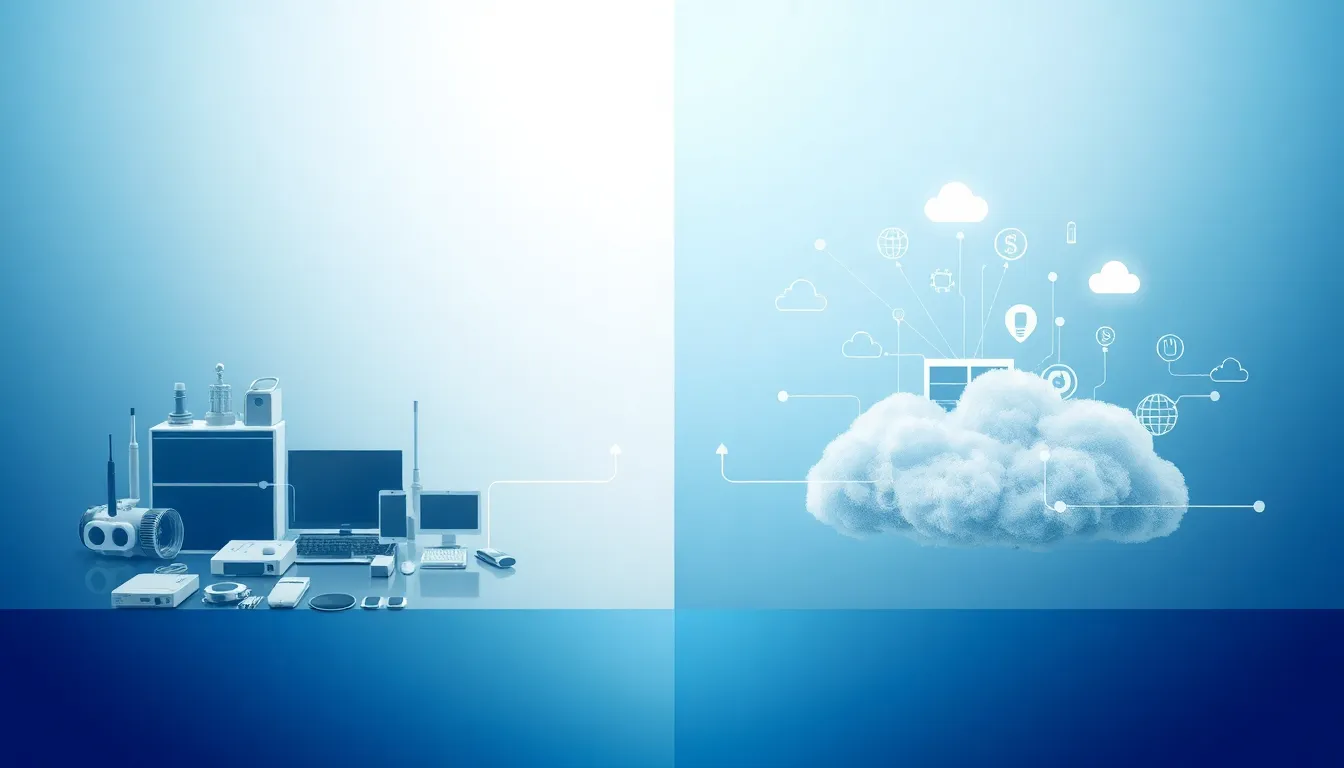
The debate around internet of things vs cloud computing often confuses businesses and tech enthusiasts alike. Both technologies shape modern digital infrastructure, but they serve different purposes. IoT connects physical devices to collect and share data. Cloud computing provides remote storage and processing power. Understanding their differences helps organizations make smarter technology investments. This guide breaks down what each technology does, how they differ, and when to use one over the other.
Table of Contents
ToggleKey Takeaways
- Internet of Things (IoT) collects data from physical devices like sensors and wearables, while cloud computing stores and processes that data remotely.
- When comparing internet of things vs cloud computing, IoT focuses on real-time data collection at the edge, whereas cloud computing centralizes storage and processing power.
- IoT applications require low latency for instant responses, while cloud computing tolerates higher latency for tasks that don’t need split-second reactions.
- Most modern deployments combine both technologies—IoT devices generate data, and cloud platforms analyze it to deliver actionable insights.
- Choose IoT when monitoring physical environments or automating processes; choose cloud computing when you need scalable storage, processing power, or development tools.
- Major cloud providers like AWS, Azure, and Google Cloud now offer dedicated IoT services to bridge the gap between these complementary technologies.
What Is the Internet of Things?
The Internet of Things (IoT) refers to a network of physical devices that connect to the internet and exchange data. These devices include smart thermostats, fitness trackers, industrial sensors, and connected vehicles. Each device contains embedded sensors, software, and connectivity features.
IoT devices gather real-world information. A smart refrigerator tracks food inventory. A factory sensor monitors equipment temperature. A wearable device measures heart rate. This data flows through networks to central systems for analysis.
The internet of things vs traditional computing represents a shift from human-operated machines to automated data collection. IoT removes the need for manual input. Devices communicate with each other and with backend systems without human intervention.
Key characteristics of IoT include:
- Physical presence: IoT requires hardware deployed in real-world locations
- Sensor-based data collection: Devices capture environmental, mechanical, or biological information
- Constant connectivity: Most IoT devices stay connected 24/7
- Edge processing: Many devices process data locally before sending it elsewhere
By 2025, experts estimate over 75 billion IoT devices will be active worldwide. This growth spans healthcare, manufacturing, agriculture, retail, and smart cities.
What Is Cloud Computing?
Cloud computing delivers computing services over the internet. These services include servers, storage, databases, networking, software, and analytics. Users access these resources on demand without owning physical hardware.
Three main models define cloud computing:
- Infrastructure as a Service (IaaS): Provides virtualized computing resources like servers and storage
- Platform as a Service (PaaS): Offers development environments for building applications
- Software as a Service (SaaS): Delivers ready-to-use applications through web browsers
Major providers include Amazon Web Services, Microsoft Azure, and Google Cloud Platform. These companies maintain massive data centers across the globe.
Cloud computing solves several problems. Organizations avoid large upfront hardware costs. They scale resources up or down based on demand. IT teams access powerful tools without maintaining physical infrastructure.
When comparing internet of things vs cloud computing, the distinction becomes clear. Cloud computing focuses on remote processing and storage. It doesn’t collect data from physical environments, it stores and processes data that other systems generate.
Businesses use cloud computing for website hosting, data backup, application development, machine learning projects, and enterprise software deployment.
Core Differences Between IoT and Cloud Computing
The internet of things vs cloud computing comparison reveals fundamental differences in purpose, architecture, and application.
Purpose and Function
IoT collects data from the physical world. It answers questions like “What’s happening right now?” Cloud computing stores, processes, and distributes data. It answers questions like “Where do we keep this information?” and “How do we analyze it?”
Hardware Requirements
IoT demands distributed physical devices, sensors, actuators, and gateways deployed across locations. Cloud computing centralizes hardware in data centers. Users never interact with cloud hardware directly.
Data Flow Direction
IoT generates data at the edge and sends it inward. Cloud computing receives data from various sources and makes it available outward. The internet of things vs cloud distinction here matters for system design.
Latency Concerns
IoT applications often require instant responses. A self-driving car can’t wait for cloud servers to process obstacle data. Cloud computing accepts higher latency because most tasks don’t need split-second reactions.
Security Challenges
IoT security spreads across many devices in various locations. Each device represents a potential entry point for attackers. Cloud security concentrates on protecting centralized data centers and access credentials.
| Aspect | Internet of Things | Cloud Computing |
|---|---|---|
| Primary function | Data collection | Data storage and processing |
| Hardware location | Distributed | Centralized |
| Latency tolerance | Low | Higher |
| Security focus | Device-level | Infrastructure-level |
| Scalability | Add more devices | Add more computing power |
How IoT and Cloud Computing Work Together
The internet of things vs cloud computing framing sometimes misses the bigger picture. These technologies complement each other rather than compete.
IoT devices generate enormous amounts of data. A single factory floor might produce terabytes daily from hundreds of sensors. Local storage can’t handle this volume. Cloud computing provides the storage capacity IoT needs.
Cloud platforms also supply the processing power for IoT analytics. Raw sensor data holds limited value. Machine learning algorithms running in the cloud transform that data into actionable insights. They predict equipment failures, optimize energy usage, and identify patterns humans would miss.
Consider a smart agriculture system. Soil sensors (IoT) measure moisture levels across thousands of acres. That data flows to cloud servers. Cloud-based software analyzes weather forecasts, crop requirements, and historical yields. The system then sends irrigation commands back to IoT-connected water valves.
This integration creates a feedback loop:
- IoT devices collect real-time data
- Cloud systems store and analyze that data
- Cloud applications generate responses or predictions
- IoT devices execute actions based on those outputs
Major cloud providers now offer specific IoT services. AWS IoT Core, Azure IoT Hub, and Google Cloud IoT provide tools for connecting devices, managing fleets, and processing IoT data streams. These platforms bridge the internet of things vs cloud computing gap.
Choosing Between IoT and Cloud Solutions
Organizations often ask whether they need IoT or cloud solutions. The answer depends on the problem they’re solving.
Choose IoT when:
- The goal involves monitoring physical conditions or environments
- Real-time data from specific locations matters
- Automation of physical processes adds value
- Remote visibility into equipment or assets is needed
Choose cloud computing when:
- Large-scale data storage is the primary need
- Applications require significant processing power
- Teams need collaboration tools or enterprise software
- Development environments for building apps are required
The internet of things vs cloud computing question often has a third answer: both. Most IoT deployments eventually require cloud infrastructure. Most cloud strategies benefit from real-world data that IoT provides.
Budget considerations also shape decisions. IoT projects carry hardware costs, installation expenses, and ongoing maintenance. Cloud projects involve subscription fees that scale with usage. Small pilots might start with cloud-only approaches, then add IoT devices as value becomes clear.
Industry context matters too. Manufacturing and logistics lean heavily toward IoT for operational visibility. Software companies and startups often prioritize cloud computing for flexibility. Healthcare organizations increasingly adopt both, IoT for patient monitoring, cloud for records management.