
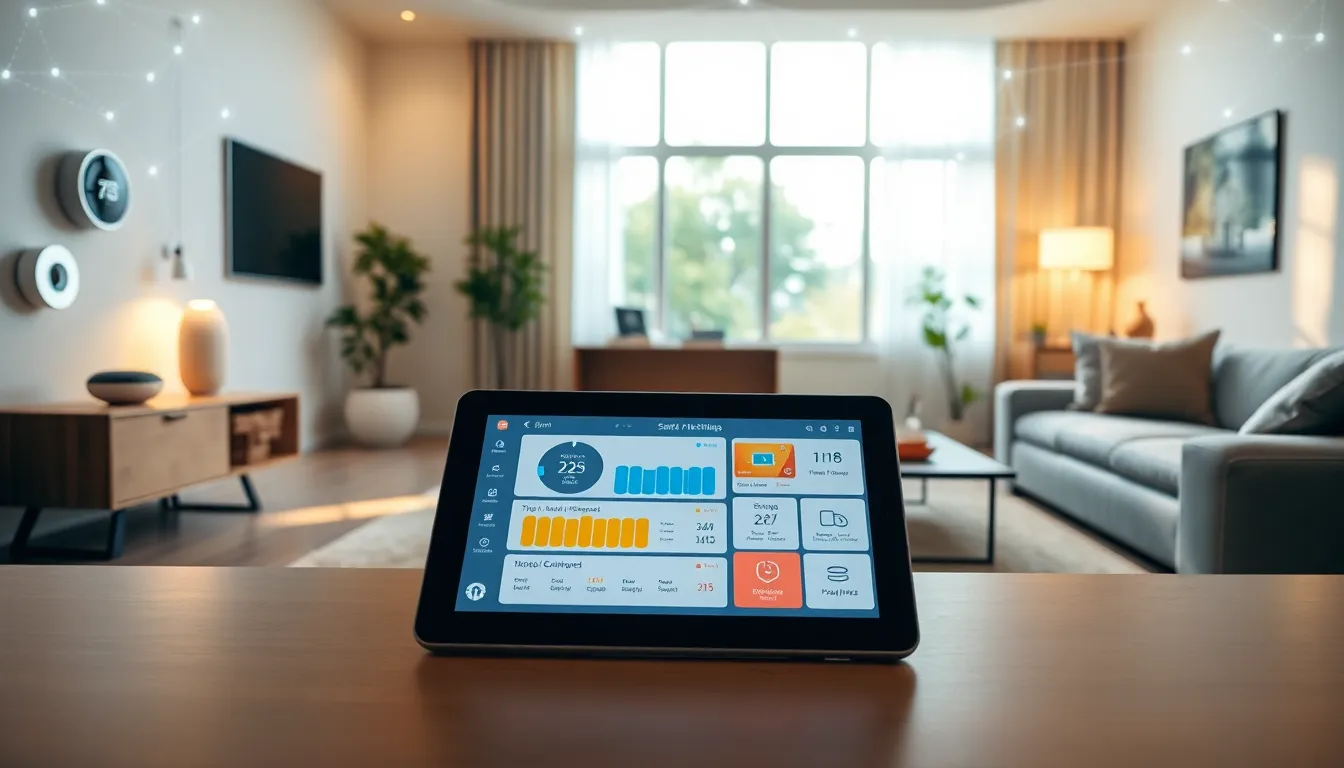
Internet of things ideas are reshaping how people live, work, and interact with technology. From smart thermostats that learn household preferences to wearable devices that track health metrics, IoT connects everyday objects to the internet. This connectivity creates opportunities for automation, efficiency, and better decision-making across nearly every industry.
The global IoT market continues to grow rapidly. By 2030, experts project over 29 billion connected devices worldwide. This expansion means more internet of things ideas will emerge, transforming homes, healthcare systems, businesses, and environmental monitoring efforts. Understanding these applications helps individuals and organizations identify practical ways to benefit from this technology.
Table of Contents
ToggleKey Takeaways
- Internet of things ideas are transforming homes, healthcare, businesses, and environmental monitoring, with over 29 billion connected devices projected by 2030.
- Smart home automation—including thermostats, security cameras, and voice assistants—can reduce energy bills by 10-15% while adding daily convenience.
- Healthcare IoT applications like wearable monitors and remote patient tracking improve outcomes by catching warning signs early and reducing hospital visits.
- Industrial IoT delivers measurable ROI through predictive maintenance, which can reduce equipment downtime by up to 50%.
- Smart city infrastructure and environmental sensors help conserve resources, with examples like Barcelona’s smart lighting cutting energy costs by 30%.
- From supply chain tracking to smart agriculture, internet of things ideas help businesses and farmers increase productivity while using fewer resources.
Smart Home Automation Solutions
Smart home automation represents one of the most popular internet of things ideas for consumers. These systems connect lighting, climate control, security cameras, and appliances through a central hub or smartphone app.
Lighting and Climate Control
Smart thermostats like the Nest Learning Thermostat or Ecobee adjust temperatures based on occupancy patterns. They reduce energy bills by 10-15% annually for most households. Smart bulbs from Philips Hue or LIFX allow users to control brightness, color, and schedules remotely.
Home Security Systems
IoT-enabled security cameras, doorbell cameras, and smart locks provide real-time monitoring. Ring and Arlo cameras send instant alerts when motion is detected. Smart locks from August or Schlage let homeowners grant temporary access codes to guests or delivery personnel.
Voice-Controlled Assistants
Devices like Amazon Echo and Google Nest Hub serve as command centers for smart homes. Users control multiple connected devices through simple voice commands. These assistants also integrate with hundreds of third-party IoT products, making home automation accessible to anyone.
The convenience factor drives adoption. Turning off forgotten lights from bed or checking a doorbell camera while at work, these small improvements add up to significant lifestyle changes.
IoT in Healthcare and Wellness
Healthcare represents a high-impact area for internet of things ideas. Connected medical devices improve patient outcomes and reduce hospital visits.
Wearable Health Monitors
Fitness trackers and smartwatches monitor heart rate, sleep patterns, blood oxygen levels, and physical activity. The Apple Watch can detect irregular heart rhythms and alert users to potential atrial fibrillation. Continuous glucose monitors from Dexcom transmit blood sugar readings directly to smartphones, helping diabetics manage their condition.
Remote Patient Monitoring
Hospitals and clinics use IoT devices to track patients after discharge. Blood pressure cuffs, pulse oximeters, and weight scales send data to healthcare providers automatically. This approach catches warning signs early and reduces readmission rates.
Medication Management
Smart pill bottles remind patients to take medications on schedule. Some dispensers lock to prevent accidental overdoses and notify caregivers if doses are missed. These internet of things ideas prove especially valuable for elderly patients managing multiple prescriptions.
The COVID-19 pandemic accelerated IoT adoption in healthcare. Telehealth combined with connected devices now allows doctors to monitor chronic conditions without requiring in-person visits.
Connected Business and Industrial Applications
Businesses across sectors carry out internet of things ideas to increase productivity and reduce costs. Industrial IoT (IIoT) applications deliver measurable returns on investment.
Supply Chain and Logistics
GPS trackers and RFID tags monitor shipments in real time. Companies know exactly where products are during transit and receive alerts about delays. Temperature sensors in refrigerated trucks ensure perishable goods remain safe. Amazon and FedEx rely heavily on IoT for package tracking and warehouse automation.
Predictive Maintenance
Sensors attached to manufacturing equipment detect vibrations, temperature changes, and other indicators of wear. This data predicts failures before they occur. Predictive maintenance reduces downtime by up to 50% and extends equipment lifespan. Factories save millions by fixing problems before machines break.
Smart Agriculture
Farmers use soil moisture sensors, weather stations, and drone imagery to optimize irrigation and fertilizer application. John Deere tractors now include GPS guidance and yield mapping capabilities. These internet of things ideas help growers produce more food with fewer resources.
Retail Applications
Smart shelves track inventory levels and alert staff when restocking is needed. Beacon technology sends personalized offers to shoppers’ smartphones as they move through stores. Amazon Go stores use IoT sensors to eliminate checkout lines entirely.
Environmental Monitoring and Sustainability
Internet of things ideas play a growing role in environmental protection and resource conservation. Connected sensors provide data that drives smarter decisions about energy, water, and waste.
Smart City Infrastructure
Cities deploy IoT sensors to manage traffic flow, reduce congestion, and lower emissions. Barcelona’s smart lighting system dims streetlights when no pedestrians are present, cutting energy costs by 30%. Smart parking sensors in San Francisco guide drivers to open spots, reducing time spent circling blocks.
Water Management
Sensors in water distribution systems detect leaks before they become major problems. Smart irrigation controllers adjust watering schedules based on weather forecasts and soil conditions. Farmers and municipalities save millions of gallons annually through these internet of things ideas.
Air Quality Monitoring
Networks of low-cost air quality sensors provide hyperlocal pollution data. Cities like London and Los Angeles use this information to identify pollution hotspots and measure the impact of clean air policies. Citizens can check real-time air quality through smartphone apps.
Energy Grid Optimization
Smart meters give utilities detailed consumption data, enabling better load balancing. Solar panels and home batteries communicate with the grid to sell excess power during peak demand. These IoT applications support the transition to renewable energy sources.