Internet of things examples surround us every day, often without us realizing it. From the thermostat that learns your schedule to the fitness tracker on your wrist, connected devices have changed how people live and work. The Internet of Things (IoT) refers to physical objects embedded with sensors, software, and network connectivity. These devices collect and share data to automate tasks and improve efficiency. By 2025, experts estimate over 75 billion IoT devices will be active worldwide. This article explores practical internet of things examples across homes, healthcare, manufacturing, cities, and transportation.
Table of Contents
ToggleKey Takeaways
- Internet of things examples are found in smart homes, healthcare, manufacturing, cities, and transportation—impacting daily life in countless ways.
- Smart home devices like thermostats, voice assistants, and security systems can reduce energy bills by 10-15% while adding convenience.
- Wearable technology such as fitness trackers and smartwatches monitor health metrics in real time and can even detect early warning signs of medical conditions.
- Industrial IoT enables predictive maintenance, cutting equipment repair costs by up to 12% and minimizing factory downtime.
- Smart city infrastructure—including traffic lights, streetlights, and waste bins—improves urban efficiency and reduces operational costs.
- Connected vehicles and fleet management systems optimize routes, saving companies millions in fuel costs annually.
Smart Home Devices
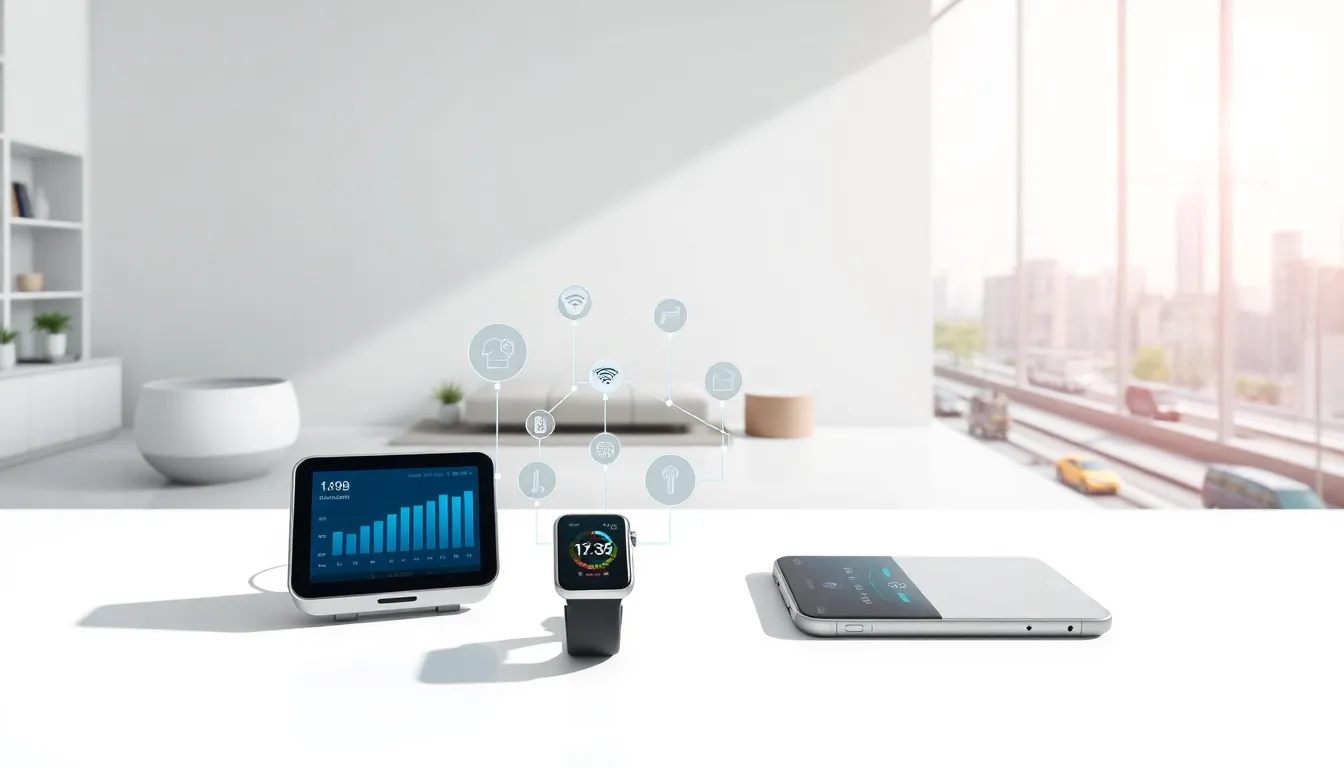
Smart home devices represent some of the most common internet of things examples in everyday life. These products connect to home networks and allow users to control lighting, temperature, security, and entertainment from smartphones or voice assistants.
Thermostats and Climate Control
Smart thermostats like Nest and Ecobee learn household patterns over time. They adjust heating and cooling based on when people are home or away. This automation can reduce energy bills by 10-15% annually. Users can also control these devices remotely through mobile apps.
Voice Assistants and Hubs
Amazon Echo, Google Home, and Apple HomePod serve as central hubs for smart home ecosystems. They respond to voice commands, play music, answer questions, and control other connected devices. These assistants have become household staples for millions of families.
Security Systems
Smart doorbells, cameras, and locks offer real-time monitoring and alerts. Ring doorbells notify homeowners when someone approaches their door. Smart locks allow keyless entry and can grant temporary access to guests or service workers. These internet of things examples provide peace of mind and convenience.
Lighting and Appliances
Philips Hue and similar smart bulbs let users adjust brightness and color from their phones. Smart plugs turn ordinary appliances into connected devices. Refrigerators now feature screens that track groceries and suggest recipes. These products save time and energy while adding comfort to daily routines.
Wearable Technology and Health Monitoring
Wearable technology has created powerful internet of things examples in healthcare and fitness. These devices track vital signs, physical activity, and sleep patterns continuously.
Fitness Trackers
Fitbit, Garmin, and similar devices count steps, monitor heart rate, and track workouts. They sync data to smartphone apps where users can view trends and set goals. Many employers now offer wellness programs that incorporate fitness trackers to encourage healthy habits.
Smartwatches
Apple Watch and Samsung Galaxy Watch combine fitness tracking with smartphone features. They display notifications, make calls, and even detect irregular heart rhythms. The Apple Watch has alerted users to potential heart conditions, sometimes before they noticed symptoms.
Medical Monitoring Devices
Continuous glucose monitors help diabetics track blood sugar levels without frequent finger pricks. Connected blood pressure cuffs send readings directly to doctors. Patients with chronic conditions can now share real-time health data with their care teams. These internet of things examples have improved outcomes for millions of patients.
Sleep Technology
Smart mattresses and sleep trackers analyze rest quality throughout the night. They measure movement, breathing patterns, and room conditions. Users receive insights about their sleep cycles and suggestions for improvement.
Industrial and Manufacturing Applications
Industrial IoT (IIoT) has transformed factories and supply chains worldwide. These internet of things examples focus on efficiency, safety, and predictive maintenance.
Predictive Maintenance
Sensors on machinery detect vibrations, temperature changes, and other signs of wear. Software analyzes this data to predict when equipment will need repairs. Companies can schedule maintenance before breakdowns occur, reducing downtime and saving money. General Electric reports that predictive maintenance can cut costs by up to 12%.
Inventory Management
RFID tags and connected sensors track products through warehouses and shipping. Amazon uses robots guided by IoT systems to locate and move items. This automation speeds up order fulfillment and reduces errors.
Quality Control
Sensors monitor production lines in real time. They detect defects, measure dimensions, and ensure products meet specifications. When issues arise, systems alert operators immediately. These internet of things examples have raised quality standards across industries.
Worker Safety
Wearable devices track employee locations in hazardous environments. Sensors detect dangerous gas levels, extreme temperatures, or equipment malfunctions. Alerts reach workers and supervisors instantly, preventing accidents and injuries.
Smart Cities and Infrastructure
Cities around the world use internet of things examples to improve services and reduce costs. Connected infrastructure makes urban life more efficient and sustainable.
Traffic Management
Smart traffic lights adjust timing based on real-time vehicle flow. Sensors embedded in roads count cars and detect congestion. Cities like Los Angeles and Singapore have reduced commute times by implementing these systems.
Street Lighting
Connected streetlights dim when no one is nearby and brighten when pedestrians or vehicles approach. Barcelona saved 30% on energy costs after installing smart lighting. Maintenance crews receive automatic alerts when bulbs need replacement.
Waste Management
Smart trash bins signal when they need emptying. Garbage trucks follow optimized routes based on which bins are full. This approach reduces fuel consumption and keeps streets cleaner. These internet of things examples benefit both budgets and the environment.
Utilities and Water Management
Smart meters track electricity and water usage in real time. They help utilities balance supply and demand while giving consumers insight into their consumption. Leak detection sensors identify water main breaks before they cause major damage.
Connected Vehicles and Transportation
The transportation sector showcases some of the most exciting internet of things examples today. Connected vehicles and smart logistics are changing how people and goods move.
Connected Cars
Modern vehicles contain dozens of sensors that monitor engine performance, tire pressure, and fuel efficiency. Cars can send diagnostic data to dealerships and alert drivers to potential issues. Features like remote start, GPS tracking, and stolen vehicle recovery rely on IoT connectivity.
Fleet Management
Trucking companies use GPS and telematics to track vehicles across the country. Dispatchers monitor routes, fuel consumption, and driver behavior in real time. This visibility improves delivery times and reduces operating costs. UPS famously saves millions of gallons of fuel each year through route optimization.
Ride-Sharing and Mobility
Uber, Lyft, and similar services depend on IoT technology to match riders with drivers. Apps track vehicle locations, estimate arrival times, and process payments automatically. Electric scooter and bike-sharing programs use connected locks and GPS to manage their fleets.
Autonomous Vehicles
Self-driving cars represent the frontier of internet of things examples in transportation. These vehicles use cameras, radar, and lidar sensors to perceive their surroundings. They communicate with traffic infrastructure and other vehicles to make driving decisions. While fully autonomous cars remain in development, many vehicles already offer driver-assist features powered by IoT systems.